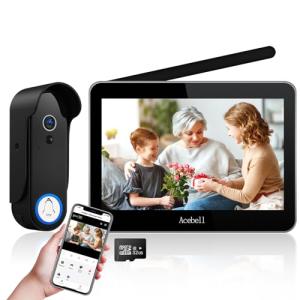

The Bvavo 1080P system utilizes a private protocol transmission that establishes an encrypted peer-to-peer signal between the doorbell and the indoor station. This architecture bypasses standard Wi-Fi network congestion, resulting in a reduced time-to-first-frame metric compared to cloud-based alternatives. The 1080P sensor delivers a frame rate of 15-20 FPS, which is sufficient for identification but may exhibit motion blur during rapid movement. The external chassis is constructed with an IP65 weather rating to withstand environmental exposure.
Core Functional Modes
- P2P Wireless Link: Direct doorbell-to-monitor communication without internet dependency.
- Offline Privacy: Localized RF environment prevents video data from leaving the premises.
- Subscription-Free Utility: Direct local storage and monitoring with no recurring costs.
Performance data shows that signal penetration is significantly impacted by structural materials such as brick or stucco, where the 2.4GHz signal range decreases. The system operates as a standalone security node and does not support routines for Alexa, Google Home, or Matter. Monthly recharging of the battery may be required depending on trigger frequency. The indoor monitor serves as the sole interface for the camera feed, as the system does not support remote mobile application access.
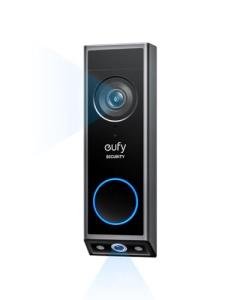
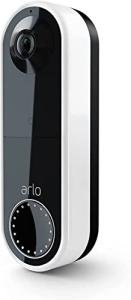
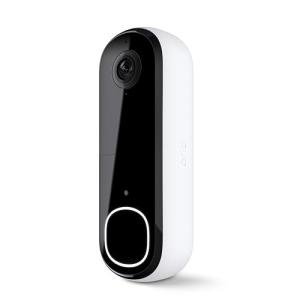
To bridge the gap between local monitoring and remote access, users may integrate this with other wireless video doorbell systems that support dual-band Wi-Fi.
The Tmezon WiFi Video Doorbell is an alternative that provides a similar 7-inch monitor while adding the smartphone connectivity missing from this Bvavo model.
The unit is part of the doorbell bundles with chimes group of point-to-point security devices.