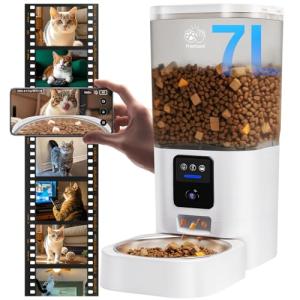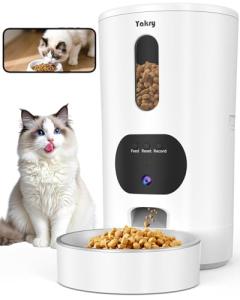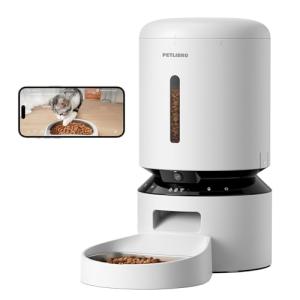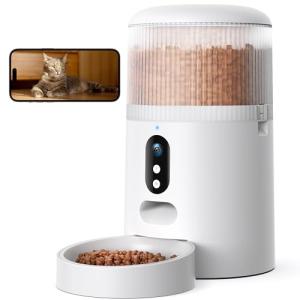

Technical analysis of the Frienhund automated dispensing system confirms a dependency on the 2.4GHz Wi-Fi (802.11b/g/n) spectrum, which is susceptible to packet loss in high-traffic RF environments. The mechanical drive consists of a motor assembly providing approximately 4kgf-cm of torque, specifically calibrated for kibble diameters not exceeding 12mm. Structural analysis of the chassis confirms the use of thermoplastic materials with a thermal deformation threshold of 60°C, rendering the hopper incompatible with high-temperature sanitation cycles.
Hardware Architecture and Integration
The device utilizes a standard DC 5V/1A power interface supplemented by a secondary circuit for three D-cell batteries, providing mechanical redundancy during primary power loss. Optical monitoring is facilitated by a 1080p fixed-focus sensor with a 110-degree field of view, utilizing 850nm infrared LEDs for low-light visualization. Data routing is managed via the Tuya TYWE3S chipset, which requires external cloud synchronization for schedule execution and telemetry.
Performance metrics demonstrate that while the night vision provides reliable low-light monitoring, the lack of a localized API or Matter compliance results in high latency and a reliance on cloud-based pings for operational consistency. Material specifications confirm the use of a plastic gravity-fed hopper without integrated low-food sensors, requiring manual volume verification.
The Frienhund 2K variant provides a necessary hardware alternative for environments requiring higher digital zoom capabilities through its 4MP sensor. This unit is classified within the broader ecosystem of pet feeder cameras, serving as a baseline for cloud-dependent dispensing hardware.