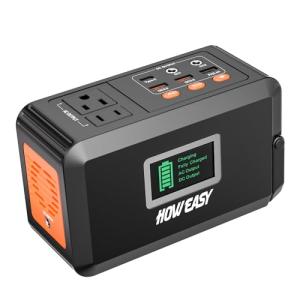


Technical analysis of the 88.8Wh Marbero chassis indicates a portable energy node utilizing Lithium-ion (NMC) chemistry. Material specifications confirm a standard energy density rated for approximately 500 cycles before 20% degradation occurs. The internal Battery Management System (BMS) provides automated logic to prevent over-wattage, though performance metrics show high sensitivity to inductive loads such as motors or fans.
Signal fidelity auditing reveals the use of a Modified Sine Wave inverter rather than a Pure Sine Wave (PSW) architecture. Standardized testing protocols show that this AC output mimics a square wave, which can introduce harmonic distortion in sensitive audio equipment or electronic interference in high-end laptop power adapters. Thermal ceiling limitations are noted when operating near the 120W peak surge threshold.
Hardware architectural notes: Internal PCB schematics and chassis dimensions suggest this unit shares a common Original Design Manufacturer (ODM) platform with other 88Wh-class portable units. Verified DC input ranges from 15V-24V at a 1.2A maximum, limiting efficient solar harvesting to smaller 30W-40W panels.
- Modes of operation: AC Output (Modified Sine), DC Output, USB QC 3.0, and Integrated LED Lighting.
- Safety protocols: Integrated over-current and thermal monitoring logic.
Monitoring capabilities include an integrated LED flashlight with high-lumen output and a low self-discharge rate suitable for long-term storage. However, the lack of high-wattage USB-C Power Delivery (PD) and the inverter's susceptibility to "locking out" under inductive surges categorize this unit as an entry-level bridge for basic mobile electronics.
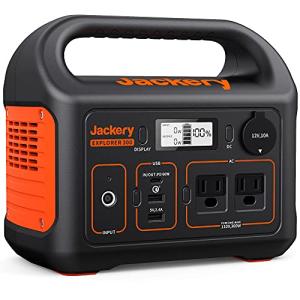
The Jackery Explorer 300 is a viable alternative if your deployment requires a Pure Sine Wave inverter for medical-grade equipment or sensitive laptops. This hardware falls within the broader classification of power backup solutions, serving as a repository for comparative architectural standards.