Upgrading to a wired video doorbell system eliminates the anxiety of battery management while providing a continuous power supply for advanced features like pre-roll recording and instant notifications. These hardwired solutions often deliver superior video stability and faster response times compared to their wireless counterparts, making them a cornerstone of reliable residential security. Whether focusing on smart cloud integration or a strictly offline analog intercom, a permanent connection ensures the hardware remains vigilant around the clock.
Wired Video Doorbell Systems
Stay connected and keep your home secure with reliable wired video doorbell systems that let you see and speak to visitors anytime
Product List
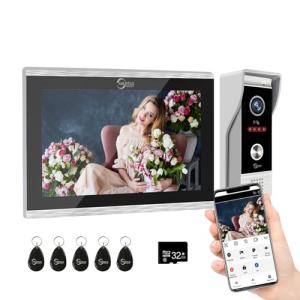
Video Doorbell Intercom System
Anjielo Smart
Product Review Score
4.74 out of 5 stars
156 reviews$150.99
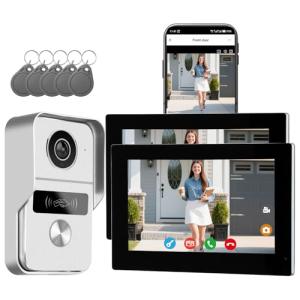
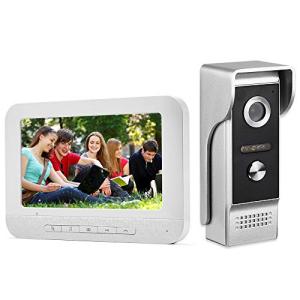
💡 Practical Usage Tips
- Most modern video doorbells require a specific voltage range, typically between 16V and 24V AC, so verifying the output of the existing doorbell TRANSFORMER is essential to prevent random reboots or night vision failure.
- For analog intercom systems that rely on 4-wire connections, using high-quality shielded copper cabling is necessary to avoid signal interference and VOLTAGE DROP over long distances.
- Users installing smart devices should ensure their home network reaches the front door effectively, as many units operate exclusively on the 2.4GHz WI-FI BAND which offers better range but lower speed than 5GHz.
- When installing units without an internal chime relay, such as certain Ring models, bypassing the existing mechanical chime is often required to provide sufficient power to the camera's internal CAPACITORS.
✅ What to Look For & ⚠️ What to Avoid
Must-Haves:
- Look for a camera that offers a square or vertical ASPECT RATIO, like the Arlo 2nd Gen, to ensure packages left at the foot of the door are fully visible.
- Prioritize devices with local storage capabilities, such as the TP-Link Tapo Smart Video Doorbell, if avoiding monthly cloud subscription fees is a primary financial goal.
- Select hardware with at least a 2K resolution sensor to ensure that digital zooming during forensic review maintains enough clarity for FACIAL IDENTIFICATION.
Red Flags:
- Avoid outdoor units with a low weather resistance rating like IP44 unless the installation site has a deep porch overhang to prevent MOISTURE INGRESS.
- Be cautious of systems that rely entirely on cloud connectivity without supporting RTSP or ONVIF protocols if integrating with a local Network Video Recorder is a future plan.
- Steer clear of analog intercom kits that do not include shielded cabling in the box, as using standard thin bell wire for runs over 30 meters often results in significant video ARTIFACTS.
🛡️ Build Quality & Performance
The physical construction of a wired doorbell system significantly dictates its longevity, particularly in climates with extreme temperature fluctuations. Smart doorbells typically utilize polycarbonate plastics which are lightweight and facilitate Wi-Fi signal transmission, but they can struggle with THERMAL DISSIPATION during extended recording sessions. In contrast, analog intercom systems often favor aluminum or zinc alloy housings. These metal chassis act as large passive heatsinks, ensuring the internal sensors remain cool even during continuous operation.
Performance also varies heavily based on the connection architecture. Digital systems introduce a slight delay due to the need for SIGNAL COMPRESSION and cloud uploading, whereas analog connections provide a zero-latency feed directly to an indoor monitor. For users prioritizing instant visual verification without the lag of an internet handshake, systems like the Anjielo Smart 10-Inch Intercom offer a robust solution that bypasses network congestion entirely. Ultimately, the choice rests on whether remote accessibility via a smartphone app or absolute local reliability is the higher priority.
🏆 Top Recommendations
| Best For | Model Name | Key Feature | Why It Wins |
|---|---|---|---|
| Smart Cloud Entry | Ring Video Doorbell Wired | Pre-Roll Technology | It offers affordable entry into the cloud ecosystem with reliable motion alerts. |
| Local Storage | TP-Link Tapo D225 | microSD Support | The integration of local recording eliminates mandatory monthly subscription costs. |
| High Resolution | Lorex 2K Wired | 2560x1440 Sensor | It bridges the gap between smart features and professional NVR integration. |
| Offline Commercial | Anjielo Smart 10-Inch | Zinc Alloy Housing | The large display and vandal-resistant build make it ideal for reception areas. |
❓ Frequently Asked Questions
Do I need to upgrade my existing doorbell transformer?
In many cases, yes. Older mechanical doorbells often run on 10V-12V, whereas modern smart video doorbells with IR ILLUMINATION and Wi-Fi radios require 16V-24V AC to operate stably without resetting.
What is the difference between an intercom system and a smart doorbell?
A smart doorbell connects to the internet to send alerts to a phone app, often requiring a subscription. An intercom system uses a direct physical wire to an indoor monitor, creating a closed loop that works offline but lacks remote CLOUD ACCESS.
Can I view these wired cameras on my computer?
This depends on the model. Closed analog systems like the AMOCAM series cannot be viewed on a PC. However, digital systems like the Lorex 2K or TP-Link Tapo often support ONVIF or RTSP streams that can be accessed via desktop software.