Choosing the right TV mount is the final step in creating a perfect home theater or a clean, professional workspace. Modern mounting solutions offer more than just a way to save desk space; they provide ergonomic viewing angles and secure foundations for expensive displays. Whether the goal is a flush-to-wall look or full-motion flexibility, finding a compatible and sturdy bracket ensures both safety and style.
TV Mounts
Find the perfect mount that fits your TV and enhances your viewing experience
Product List
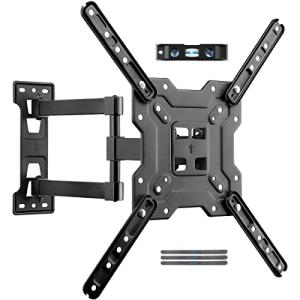
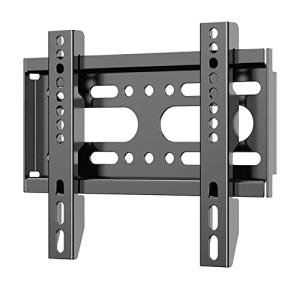
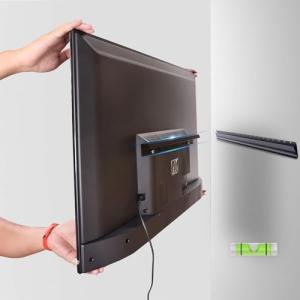
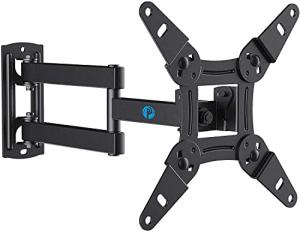
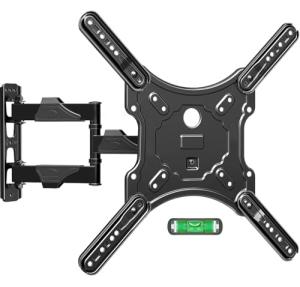
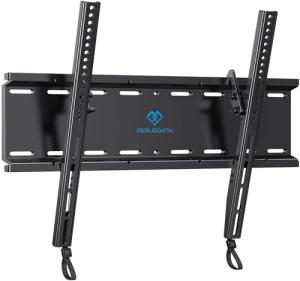
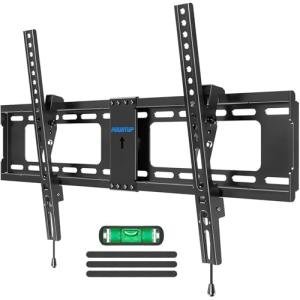
Tilting TV Wall Mount 37-82
Mountup
Product Review Score
4.54 out of 5 stars
8 reviews$39.99 $32.99
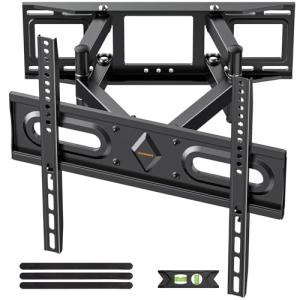
Full Motion TV Wall Mount
Iworkboard
Product Review Score
4.65 out of 5 stars
112 reviews$37.99 $32.99
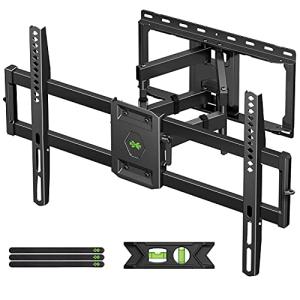
Adjustable TV Wall Mount
Usx Mount
Product Review Score
4.65 out of 5 stars
116 reviews$64.82 $42.17
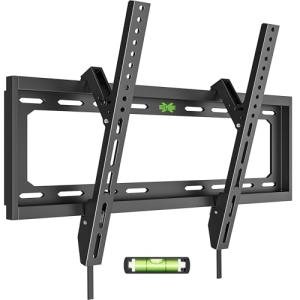
💡 Practical Usage Tips
- Before drilling any holes, use a high-quality STUD FINDER to ensure the mount is anchored into solid wood rather than just drywall.
- It is helpful to connect all necessary cables to the back of the TV before lifting it onto the bracket, as slim mounts often leave very little room for hands to reach behind the screen.
- When installing an articulating arm, leave a small amount of slack in the CABLE MANAGEMENT loops so the wires do not pull tight or disconnect when the TV is pulled away from the wall.
- Use a dedicated 12-inch level during the installation process because the small spirit levels included in many kits can sometimes provide slightly inaccurate readings.
✅ What to Look For & ⚠️ What to Avoid
Must-Haves:
- Look for a mount with a POST-INSTALLATION LEVELING feature, which allows for small horizontal adjustments even after the wall plate is bolted down.
- Ensure the mount supports the specific VESA PATTERN of the television to guarantee the screw holes on the back of the screen line up perfectly with the bracket.
- High-tensile steel construction is essential for larger screens, as seen in the USX Full Motion Mount, which supports heavy-duty displays up to 86 inches.
Red Flags:
- Be cautious of mounts that use very thin plastic clips for cable routing, as these can easily snap when used with thick, heavy-duty HDMI cables.
- Avoid using standard drywall anchors for heavy, articulating mounts, as the SHEAR STRESS applied when the arm is fully extended can pull the hardware right out of the wall.
- Stay away from fixed mounts that provide less than an inch of WALL CLEARANCE if the TV has ports that point straight out toward the back, as this will crush the cables.
🛡️ Build Quality & Performance
The overall durability of a TV mount is primarily determined by its material composition. Most high-quality options utilize COLD-ROLLED STEEL, which provides a rigid frame that resists bending even under the weight of large LED panels. A powder-coated finish is typically applied to these steel components to prevent rust and provide a smooth surface for moving parts. When moving an articulating arm, the motion should feel firm but consistent; any gritty or loose sensation often indicates that the friction-fit bolts need manual calibration.
Performance is also measured by how well a mount maintains its position over time. While some budget-friendly models may experience slight MECHANICAL SAG when a heavy TV is left extended, dual-arm designs tend to distribute weight more evenly to prevent the screen from tilting forward unexpectedly. For those seeking a reliable, heavy-duty option for mid-sized screens, the Elived Swivel Tilt Mount offers a dual-arm geometry that significantly improves lateral stability.
🏆 Top Recommendations
| Best For | Model Name | Key Feature | Why It Wins |
|---|---|---|---|
| Large Displays | USX Full Motion | 6-Bridge Architecture | Supports up to 132 lbs with zero sag. |
| Renters | Studless Mount | Nail-Line System | Installs in drywall with minimal damage. |
| Smart Screens | Pipishell Full Motion | Touch-Input Stability | Resists wobble during screen interaction. |
| Wide Studs | Mountup Tilting | 24-inch Stud Support | Fits non-standard wall framing easily. |
❓ Frequently Asked Questions
What is VESA and why does it matter?
VESA is a standard distance between the four mounting holes on the back of a TV. Measuring these distances in millimeters ensures that the bracket arms will fit the television perfectly without blocking any ports or sensors.
Can a TV be mounted on drywall without a stud?
While standard mounts require wood studs for safety, specialized studless mounts use dozens of small pins to distribute weight across a large area of drywall. These are effective for smaller or mid-sized TVs but should not be used for very heavy, articulating setups.
How high should the TV be mounted?
The ideal height places the center of the screen at eye level when seated. If the TV must be mounted higher, such as above a fireplace, a tilting mount should be used to angle the screen downward toward the viewers.
Would you like me to help you compare the weight capacities of these mounts to a specific TV model you own?