The modern home environment requires more than just a simple breeze; it demands precision, automation, and quiet efficiency. Choosing the right smart tower fan transforms a room from a stagnant space into a perfectly regulated sanctuary. This guide explores the latest advancements in airflow technology, from whisper-quiet motors to seamless voice-controlled ecosystems, ensuring the ideal climate is always just a command away.
Smart Tower Fans
Stay cool and comfortable with smart tower fans that blend modern technology and sleek design
Product List
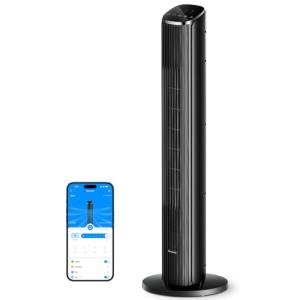
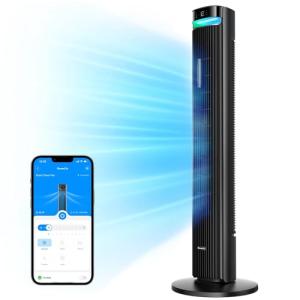
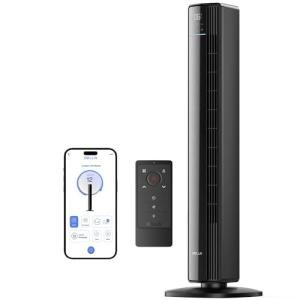
GoveeLife Smart Tower Fan
Goveelife
Product Review Score
4.91 out of 5 stars
52 reviews$99.99 $84.99
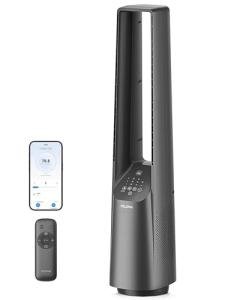
40" Smart Bladeless Tower Fan
Pelonis
Product Review Score
4.25 out of 5 stars
151 reviews$139.99 $106.39
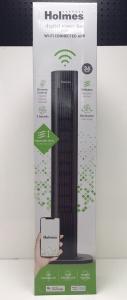
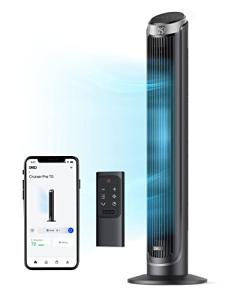
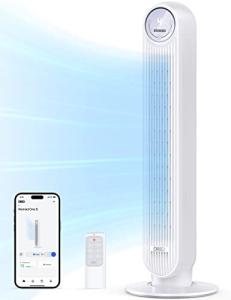
Dreo Voice-Controlled WiFi Fan
Dreo
Product Review Score
4.33 out of 5 stars
12 reviews$89.99 $75.98
💡 Practical Usage Tips
- Placing the fan near an open window or air conditioning vent helps the unit pull in cooler external air rather than just circulating the existing warmth in the room.
- Regularly cleaning the intake grille with a vacuum or soft cloth prevents dust buildup from straining the motor and reducing the overall velocity of the airflow.
- Utilizing the auto-cooling mode allows the fan to adjust its speed based on the room temperature, which saves energy and maintains a consistent comfort level without manual intervention.
- For those using smart home ecosystems, assigning a static IP address to the fan through the router settings can often resolve frequent disconnection issues with voice assistants.
✅ What to Look For & ⚠️ What to Avoid
MUST-HAVES:
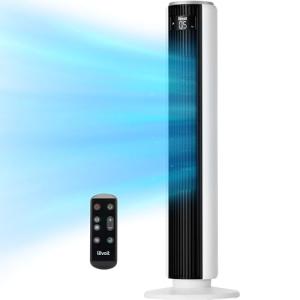
- Units equipped with a DC motor, such as the Levoit 42-inch Smart Fan, provide significantly quieter operation and more precise speed control than traditional AC models.
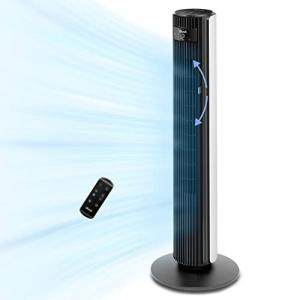
- A wide oscillation range is essential for large living areas to ensure that air reaches every corner of the room effectively.
- A dedicated sleep mode or a low acoustic floor (under 30dB) ensures that the device provides cooling relief without disrupting light sleepers.
RED FLAGS:
- Be cautious of fans that rely exclusively on 2.4GHz Wi-Fi with no Bluetooth backup, as these can be difficult to pair during the initial setup process.
- Avoid models with lightweight, flimsy plastic bases that vibrate at higher speeds, as this leads to annoying rattling noises over time.
- Watch out for "smart" fans that lack state-retention logic, meaning they won't remember your preferred settings if the power flickers or the unit is unplugged.
🛡️ Build Quality & Performance
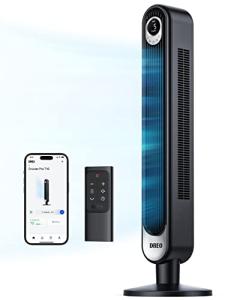
The structural integrity of a smart fan is often defined by the materials used in its chassis and the engineering of its internal drive system. High-quality models typically utilize dense ABS polymers that resist warping and dampen sound effectively. When a fan uses a tangential blower wheel, it can move a high volume of air through a narrow vertical slot, creating a smooth, laminar flow that feels more natural than the buffeting wind of a standard circular fan. Devices like the Dreo Cruiser Pro T2S demonstrate this balance, offering high-speed output without excessive mechanical vibration.
Performance longevity is closely tied to the motor type. While AC induction motors are reliable and cost-effective, they tend to generate more heat and noise over long periods of operation. In contrast, brushless DC motors use electronic controllers instead of physical brushes, reducing friction and extending the life of the internal bearings. This makes them the superior choice for users who plan to run their fans continuously throughout the summer months.
🏆 Top Recommendations
| Best For | Model Name | Key Feature | Why It Wins |
|---|---|---|---|
| Total Coverage | GoveeLife 42" | 150° Oscillation | The widest air distribution available in the category. |
| Quiet Sleeping | Della 42" Smart | 23dB Noise Floor | Incredible silence combined with a high-velocity DC motor. |
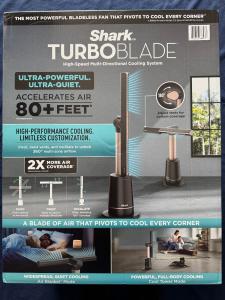
| Versatility | Shark TurboBlade | Twist & Pivot | Unique ability to direct air toward the ceiling or floor. |
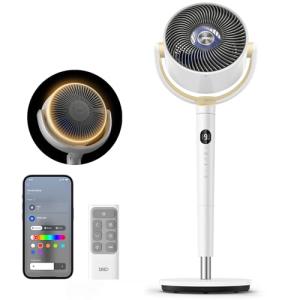
| Whole Room | Dreo Omni-Directional | Dual-Axis Movement | Moves air vertically and horizontally for 3D circulation. |
❓ Frequently Asked Questions
What is the difference between an AC and a DC motor fan?
An AC motor is a traditional power system that is typically found in budget models; it is reliable but offers fewer speed settings. A DC motor is more modern, using less electricity and providing a much wider range of speeds with significantly less operational noise.
Can these fans work without an internet connection?
Yes, all smart tower fans include physical controls or a remote for basic operation. However, you will need a 2.4GHz Wi-Fi connection to access advanced features like scheduling, voice control, and temperature-based automation via mobile apps.
How often should I clean my tower fan?
For the best performance, it is recommended to vacuum the air intake every four to six weeks. This prevents dust from clogging the internal impeller, which can cause the motor to overheat and eventually fail.