The world of music is changing rapidly as digital innovation blends with traditional craftsmanship. Choosing the right smart instrument requires understanding how modern features like Bluetooth 5.0 and Haptic Feedback can enhance a practice routine or studio performance. Whether looking for a portable synthesizer or a high-tech guitar, this guide helps navigate the technical landscape to find the perfect musical companion.
Smart Instruments
Discover innovative gadgets that make music creation easier and more fun
Product List
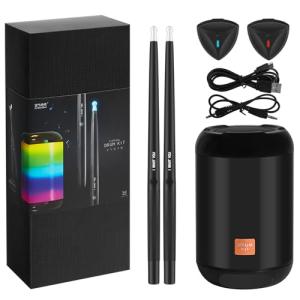
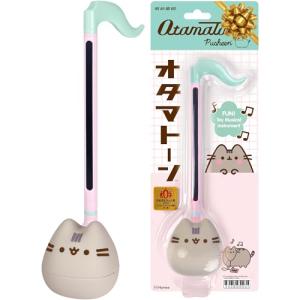
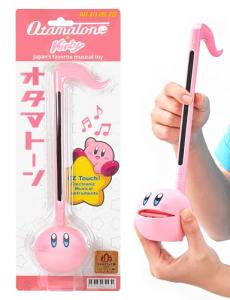
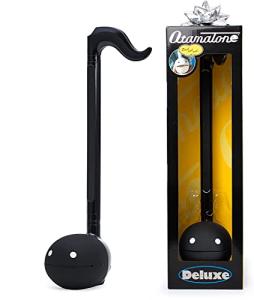
Otamatone Deluxe Synthesizer - Black
Otamatone
Product Review Score
4.77 out of 5 stars
137 reviews$79.99 $67.99
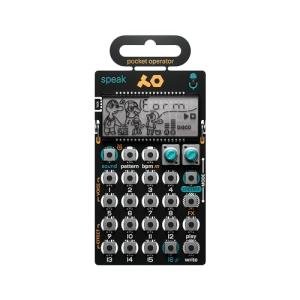
Teenage Engineering PO-35 Synth
Teenage Engineering
Product Review Score
4.13 out of 5 stars
48 reviews$99.00
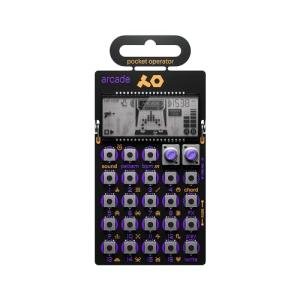
Teenage Engineering PO-20 Synth
Teenage Engineering
Product Review Score
4.37 out of 5 stars
96 reviews$99.00
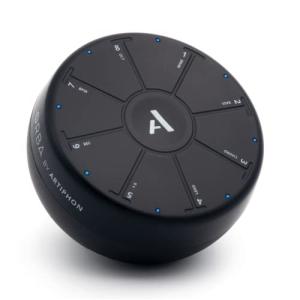
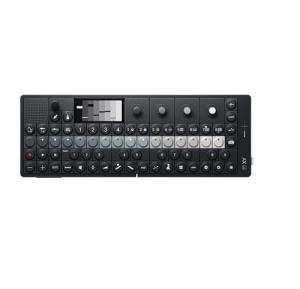
Teenage Engineering OP–XY Synthesizer
Teenage Engineering
Product Review Score
4.83 out of 5 stars
197 reviews$2,299.00
💡 Practical Usage Tips
- Keep a bottle of 90% Isopropyl alcohol nearby to clean metal contact surfaces, as skin oils can interfere with the sensitivity of a Resistive-Contact interface.
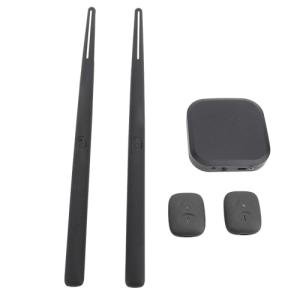
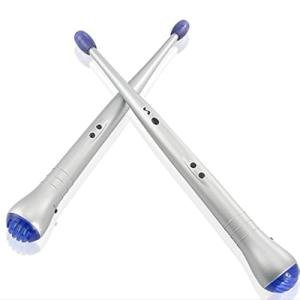
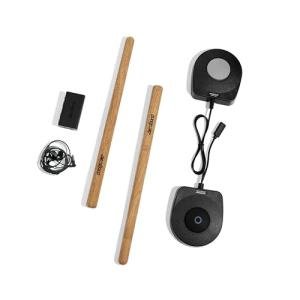
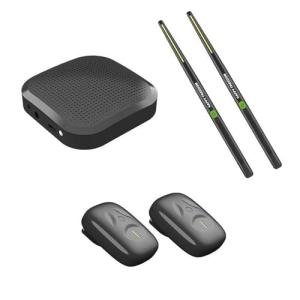
- Perform a spatial calibration in a clear area when using air drums to ensure the 9-axis IMU sensors accurately track the virtual kit positions.
- Use wired headphones via the 3.5mm jack during recording sessions to eliminate the slight Latency often found in wireless Bluetooth connections.
- Always check for firmware updates through the companion app to improve sensor accuracy and unlock new digital sound profiles.
✅ What to Look For & ⚠️ What to Avoid
Must-Have Features:
- Look for instruments that utilize a USB-C interface, which provides faster charging and more stable data transfer for MIDI applications.
- Prioritize models with Carbon Fiber construction, like the Enya CYBER-G Smart Guitar, to ensure the instrument stays in tune regardless of humidity changes.
- Seek out devices with integrated LED guidance systems to help visualize finger placement and accelerate the learning process.
Red Flags to Watch Out For:
- Be cautious of internal speakers that are too small, as they often experience audio clipping and distortion when the volume exceeds 80%.
- Avoid entry-level keyboards that lack Velocity Sensitivity if the goal is to play with dynamic range and expression.
- Watch out for low battery capacities under 500mAh in motion-sensing sticks, as these may require frequent recharging during long practice sessions.
🛡️ Build Quality & Performance
The durability of smart instruments varies significantly based on their intended use. High-end models often move away from traditional wood in favor of Composite Materials like fiberglass and carbon fiber. These materials feel substantial in the hand and offer a sleek, modern aesthetic while remaining impervious to the warping that plagues organic materials. For example, the LAVA GENIE Smart Guitar uses a unibody composite build that feels incredibly robust and professional.
On the more portable side, many synthesizers and controllers use high-impact ABS Plastic. While lightweight and excellent for travel, these devices rely on precise electronic sensors rather than mechanical parts. This reduction in moving components often leads to a longer lifespan, as there are fewer physical valves or keys to wear out over time. Performance is generally snappy and immediate, though the tactile feedback of non-weighted keys or silicone pads is a different experience than traditional acoustic alternatives.
🏆 Top Recommendations
| Best For | Model Name | Key Feature | Why It Wins |
|---|---|---|---|
| Modern Performance | Enya CYBER-G | ES1 Smart Engine | Onboard drum machine and effects. |
| Precision Practice | PocketDrum2 MAX | 9-axis IMU Array | Exceptional spatial tracking accuracy. |
| Interactive Learning | Smart 59-Key Piano | LED Chord Guide | Visual cues make learning intuitive. |
| Studio Analog | Otamatone Deluxe | 3.5mm Line-Out | Ready for external amps and mixers. |
❓ Frequently Asked Questions
Do smart instruments work without a smartphone?
Many instruments have standalone modes with internal sounds and speakers, but a smartphone is usually required to access advanced features like deep tone editing, recording, or interactive lessons.
What is MIDI-over-Bluetooth and why does it matter?
This technology allows the instrument to send musical data to a computer or tablet wirelessly. It is essential for using your instrument as a controller for digital audio workstations or learning apps.
How long do the batteries typically last on these devices?
Run times vary by model, but most rechargeable smart instruments provide between 4 and 10 hours of active play time depending on the volume and the complexity of the digital processing used.