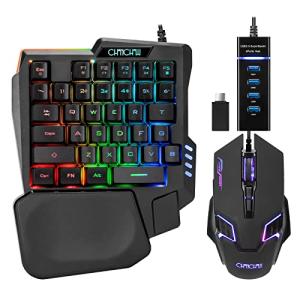
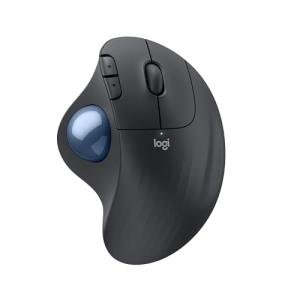
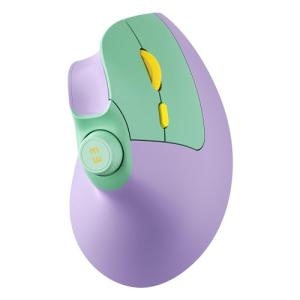
2. 🔌 Choosing Your System: Key Features and Compatibility
When selecting your Ergonomic Mice/Keyboards , you must choose the design that best fits your hand size and preferred typing style, verify wireless/wired preference, and ensure seamless software compatibility with your operating system.
Essential Variations and Design Focus
Ergonomic Mice/Keyboards are categorized by the specific posture correction they provide for the hands and wrists:
-
Split/Tented Keyboards (Wrist Alignment):
-
Pros: These keyboards separate the keys into two distinct groups, often raised in the center (tented) to allow your wrists to maintain a natural handshake angle. This drastically reduces pronation and ulnar deviation. Tenting is the most effective correction for wrist pain.
-
Cons: Requires a short adjustment period to retrain muscle memory for key location. Higher price point than standard keyboards.
-
US Lifestyle Context: Essential for a programmer or writer working remotely in a fast-paced environment who spends 8+ hours a day typing code or documents.
-
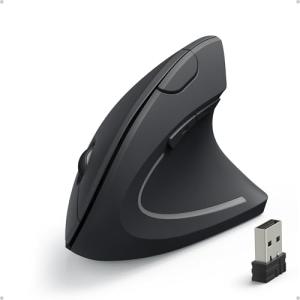
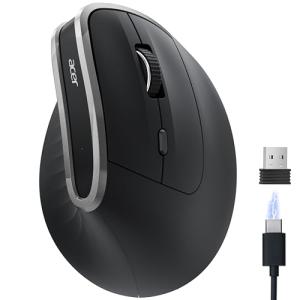
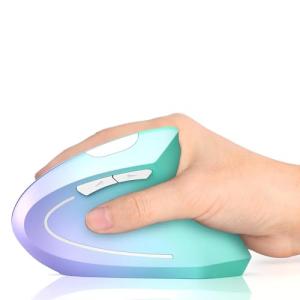
Vertical/Slanted Mice (Handshake Posture):
-
Pros: These mice rotate the grip angle from flat to a vertical or slanted position (often 57 degrees), naturally positioning your forearm and wrist in a relaxed, neutral "handshake" posture. This is the best solution for reducing carpal tunnel stress and strain.
-
Cons: Takes several weeks to adjust to the new grip style. Less suitable for tasks requiring extreme mouse precision, like competitive gaming.
-
US Lifestyle Context: Ideal for any worker who uses the mouse constantly for data entry, design work, or managing multiple smart devices via Remote Access .
-
Wireless vs. Wired Connectivity:
-
Pros: Wireless Ergonomic Mice/Keyboards (using Bluetooth or dedicated dongles) offer maximum flexibility and reduce desktop cable clutter. They are highly Energy Efficiency , often running for months on a single charge or battery set.
-
Cons: Wired versions offer zero latency (critical for gaming) and never require battery changes, but they introduce a cable.
Compatibility Protocols
Reliable, secure communication is essential for peripherals that control your computer and smart devices.
-
Multi-Device Pairing: Look for Ergonomic Mice/Keyboards that support seamless switching between 2-3 devices (PC, laptop, tablet) via Bluetooth. This is crucial for home office professionals using a laptop for video calls and a desktop for core work.
-
Encryption (AES): Wireless models should support AES encryption to secure keystrokes and mouse movement from wireless interception, protecting your passwords and sensitive information while using Remote Access .
-
Smart Software (DPI/CPI): Mice should offer adjustable DPI/CPI sensitivity settings, allowing you to fine-tune pointer speed to minimize wrist movement—a key factor in reducing fatigue.
-
Energy Efficiency: The best wireless models feature automatic sleep modes and low-power Bluetooth standards (BLE) to ensure the longest possible battery life, minimizing replacement and maintenance time.
3. 🛠️ Installation and Setup Walkthrough
Installing Ergonomic Mice/Keyboards is typically plug-and-play, but the setup requires careful physical placement and software customization for maximum health benefit.
Pre-Installation Preparations
-
Posture Check: Ensure your Ergonomic Executive Chairs and Electric Standing Desks are set to the correct height. The keyboard should be at elbow height, and your wrists should remain straight, not bent up or down.
-
Software Download: Download the manufacturer's software (if available). This software is used to remap buttons, adjust sensitivity, and monitor usage statistics.
-
Mousepad Surface: Ensure your mouse has a high-quality, non-reflective surface (like a dedicated deskmat) for accurate tracking, maximizing the 24/7 Monitoring of pointer movements.
Installation Guide (Typical Wireless Ergonomic Set)
-
Connect/Pair: For wired, plug the USB cable in. For wireless, insert the dongle or pair via Bluetooth settings. Ensure the Ergonomic Mice/Keyboards are correctly recognized by your computer.
-
Physical Placement: Place the keyboard centrally, ensuring the split or tenting keeps your wrists perfectly straight. Place the mouse within easy reach, minimizing shoulder extension.
-
Sensitivity Tuning (CRITICAL): Use the manufacturer's software to set the mouse's DPI/CPI (sensitivity) very high. This allows you to move the cursor across large 4K/5K Business Monitors with minimal hand movement, reducing fatigue and maximizing Energy Efficiency .
-
Button Mapping: Use the software to assign repetitive tasks (like copy/paste, launching apps, or muting video calls) to the ergonomic mouse's side buttons.
Troubleshooting Common Issues
-
Issue 1: Wrist Pain Persists After Switching.
-
Resolution: The pain is likely from an incorrect height setting, not the device itself. Lower your chair or keyboard tray so your elbows are perfectly 90 degrees or slightly higher, ensuring your wrists are straight (neutral).
-
Issue 2: Wireless Devices Drop Connection or Lag.
-
Issue 3: Remote Access Automation Fails on Specific Buttons.
-
Resolution: The custom button mapping is not being recognized by the smart home software. Check the peripheral's software log to see if the button press is registering. If it is, the issue is with the smart hub's configuration, not the input device.
4. Advanced Automation and Maximizing Value
Integrating Ergonomic Mice/Keyboards into smart routines provides both productivity gains and subtle security oversight.
Powerful Automation Scenarios
-
Usage Monitoring and Health Breaks: The device's companion app uses 24/7 Monitoring to track your typing and clicking activity. An automation is set to send an audio alert via your smart speaker when your total active usage time exceeds 4 hours, reminding you to take a mandatory stretch break. This is vital for long-term health.
-
Security and Privacy Lockout: If the Ergonomic Mice/Keyboards set detects no movement for 10 minutes, an automation triggers a screen lock. The smart system provides Remote Access status confirmation. This prevents unauthorized access to your computer when you briefly step away, enhancing digital security.
-
Energy Efficiency Wake/Sleep: The Ergonomic Mice/Keyboards are set to enter a deep sleep mode after 30 minutes of inactivity. An automation then powers down the Smart Desk Lamps and adjusts the Electric Standing Desks to its lowest standby position. This ensures minimal power draw when the input devices are unused, maximizing office Energy Efficiency .
Longevity & Maintenance
The longevity of Ergonomic Mice/Keyboards is tied to battery health and cleanliness. Clean the keycaps and mouse sensor surface weekly to ensure smooth operation. For wireless models, proactively replace rechargeable batteries when they begin holding less charge, ensuring reliable 24/7 Monitoring performance. Always update the peripheral's firmware using the manufacturer's software, as updates often include security patches and improved battery management algorithms.
5. COMPLEMENTARY CATEGORY RECOMMENDATIONS
| Recommended Categories |
Why This Category Is Useful Specifically for This Product |
Short Usage Scenario |
| Electric Standing Desks |
The desk must be adjusted to ensure the keyboard rests at the perfect ergonomic elbow height (90 degrees). |
Moving the electric desk to the height that allows the Ergonomic Mice/Keyboards to be used with straight wrists. |
| Smart Desk Lamps |
Proper task lighting reduces eye strain, completing the ergonomic cycle initiated by the comfortable input devices. |
The Ergonomic Mice/Keyboards 's activity triggers the Smart Desk Lamps to turn on automatically. |
| Wrist Rests |
Wrist rests provide crucial support for the forearm, ensuring the wrist remains neutral while using the keyboard. |
Placing a gel wrist rest in front of the keyboard to maintain correct wrist height. |
| Smart Displays |
Displays are used for viewing software dashboards that track typing speed, click count, and other ergonomic 24/7 Monitoring data. |
The smart display shows the user a graph of their typing activity over the past hour. |
| Smart Power Strips |
Peripherals are often plugged into a smart strip to facilitate scheduled power cutoff for Energy Efficiency . |
The smart strip cuts power to the charging dock for the mouse overnight. |
| 4K 5K Business Monitors |
The mouse DPI must be tuned high to navigate the massive resolution of 4K/5K screens without excessive hand movement. |
Adjusting the mouse DPI to allow cursor movement across the 4K/5K Business Monitors with minimal physical effort. |
| Voice Assistants |
Voice assistants allow for hands-free command execution, reducing the total amount of typing and clicking needed. |
Using a voice command to open an application instead of using the keyboard shortcut. |
| Wireless Charging Deskmats |
The deskmat provides the necessary stable, accurate surface for mouse tracking and integrated charging for the mouse itself. |
Placing the wireless mouse on the charging zone of the deskmat during breaks. |
Ergonomic Mice/Keyboards are the essential, health-focused upgrade for any computer user, eliminating the physical strain caused by prolonged computer interaction. They provide superior comfort, maximize productivity, and feature intelligent designs that ensure long-term battery life and Energy Efficiency . By choosing these custom-fit input devices, you gain reliable control and the data necessary for proactive health 24/7 Monitoring . Invest in Ergonomic Mice/Keyboards today and transform your work habits with smart, seamless Remote Access .