2. 🔌 Choosing Your System: Key Features and Compatibility
When selecting your Chair Component Parts , you must focus on dimensional compatibility with your existing chair, the weight rating of the component, and the inclusion of any smart technology for advanced features.
Essential Variations and Fixes
Chair Component Parts are typically categorized by the area they address: mobility, height adjustment, and stability:
-
Casters/Rollers (Mobility Upgrade):
-
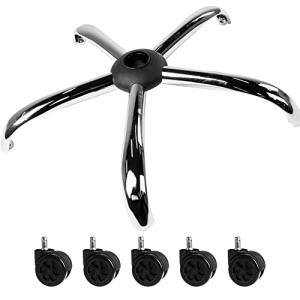
Pros: Standard office chair casters often scratch hardwood floors and roll poorly on thick carpet. Replacing them with specialized Chair Component Parts like polyurethane or rollerblade-style casters improves mobility, protects delicate flooring, and reduces the rolling effort. This is a vital upgrade for casters that must move easily around an Electric Standing Desks .
-
Cons: You must match the stem diameter (usually 10mm or 11mm) exactly to your chair base to ensure secure insertion.
-
US Lifestyle Context: Essential for users in urban apartments with expensive hardwood or laminate floors who need smooth, silent rolling movement without causing damage.
-
Gas Lift Cylinders (Height Adjustment):
-
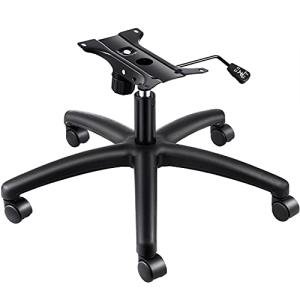
Pros: The cylinder is the most common failure point, causing the chair to sink slowly. Replacing it restores the chair’s hydraulic function instantly. Cylinders are rated by ANSI/BIFMA class (Class 3 or 4 are best) for stability and lift capacity. A functioning cylinder is critical for setting the correct height relative to your desk.
-
Cons: Removal of a stuck cylinder can be challenging, often requiring specialized tools.
-
US Lifestyle Context: Necessary for any heavy-duty user or professional who relies on the precise, consistent height setting for ergonomic work with a computer monitor.
-
Smart/Sensor Integration Parts (Future Upgrades):
-
Pros: Although rare, some Chair Component Parts include accessories designed to integrate smart technology. For example, a specialized base may include slots for a Custom Battery Base or a mounting point for a third-party pressure sensor. This allows you to integrate your chair into a smart routine for 24/7 Monitoring of sitting habits.
-
Cons: These specialized parts are usually brand-specific and limit universal compatibility.
Compatibility Protocols
For Chair Component Parts to function within a smart ecosystem, they need to facilitate either wired power or secure wireless communication via integrated smart components.
-
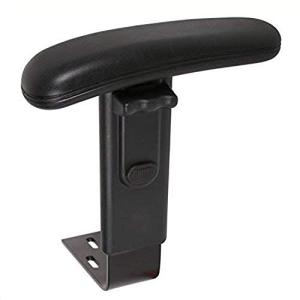
Physical Standard Fit: The dimensions of the component parts are the primary "protocol." Ensure the diameter of the cylinder, the mounting holes for the armrests, and the stem size of the casters match your existing chair precisely.
-
Low-Power Sensing (Future): If replacing a mechanism with an integrated sensor, the component must be designed for low-power operation (Bluetooth LE or similar) to maximize the battery life of the sensor and maintain its operational Energy Efficiency .
-
Remote Access Enablers: A clean, fixed base (secured by new, stable components) is a better location for mounting add-on smart devices (like a cable-securing hub), ensuring their stability for Remote Access diagnostics.
3. 🛠️ Installation and Setup Walkthrough
Installing Chair Component Parts is a mechanical DIY task. The hardest part is often removing the old, worn component, which may require force.
Pre-Installation Preparations
-
Safety Glasses and Gloves: Wear safety glasses, especially when working with stuck hydraulic cylinders, as they contain pressurized gas. Gloves are recommended for grip.
-
Removal Tools: For cylinders, you may need a pipe wrench and lubricant (WD-40 or similar) to break the tapered connection loose. For casters, a flat-head screwdriver can help pry them out.
-
Cleaning: Thoroughly clean the chair base's center hole and the bottom of the seat mechanism to remove dirt and rust before inserting the new components.
Installation Guide (Typical Cylinder and Caster Replacement)
-
Remove Casters: Turn the chair upside down. Use a screwdriver to pry the old casters out of the base sockets. Clean the sockets.
-
Install New Casters: Push the stem of the new casters firmly into the base sockets until they click securely into place.
-
Remove Old Cylinder (The Hard Part): Remove the base. Use a pipe wrench to twist and pull the old cylinder out of the base. Then, place the base right-side up, hold the seat mechanism firmly, and tap the top of the cylinder with a hammer (using a block of wood as a buffer) until it pops out of the seat mechanism.
-
Install New Cylinder: Insert the new cylinder into the base. Place the seat assembly (with the new cylinder) onto the base. Pressure from sitting down will lock the new components into the tapered holes.
-
Final Test: Sit in the chair and fully adjust the height. Test the chair's movement and lock mechanism. Confirm the movement is smooth and silent.
Troubleshooting Common Issues
-
Issue 1: Chair Sinks Immediately After Replacing Cylinder.
-
Issue 2: New Casters Don't Roll Smoothly.
-
Resolution: The stem size may be slightly incorrect, causing friction, or there may be debris stuck in the socket. Remove the casters, clean the socket again, and ensure the new caster stems match the diameter of the old ones.
-
Issue 3: Smart Armrest (Accessory) Constantly Loses Power.
4. Advanced Automation and Maximizing Value
By using Chair Component Parts to ensure mechanical perfection, you create a stable, reliable platform for integrating smart functions into the chair.
Powerful Automation Scenarios
-
Occupancy Detection Integration: You install a highly sensitive pressure sensor under the seat cushion (secured by the new components). When the sensor detects you sitting down, an automation triggers the Smart Desk Lamp to turn on and sends a log entry to your app via Remote Access , recording the start of your work session for time 24/7 Monitoring .
-
Smart Wheel Lock and Energy Efficiency: You replace standard casters with smart, electronic casters that automatically lock when the chair is vacant. This uses the chair's occupancy status to prevent movement, ensuring the Motion/Presence Sensors in the office are not accidentally triggered by a rolling chair, thereby preserving battery life and boosting Energy Efficiency .
-
Posture Reminder Integration: A specialized armrest accessory with a built-in sensor monitors wrist angle. If the angle is incorrect for 15 minutes, the app sends a push alert via Remote Access , prompting you to adjust your sitting posture, utilizing the component for health 24/7 Monitoring .
Longevity & Maintenance
The key to longevity for Chair Component Parts is using high-quality replacements rated for heavy use. Periodically check all screw connections. For casters, vacuum up hair and debris that can tangle in the wheels and reduce rolling efficiency. Lubricate hydraulic components annually to minimize wear and maintain smooth height adjustment. Proactive replacement of failing parts ensures the structural integrity and continued reliable operation of any integrated smart features.
5. COMPLEMENTARY CATEGORY RECOMMENDATIONS
| Recommended Categories |
Why This Category Is Useful Specifically for This Product |
Short Usage Scenario |
| Motion Presence Sensors |
Sensors placed near or on the chair detect occupancy, providing input for automations (lighting, power) and time 24/7 Monitoring . |
A sensor uses the stability provided by new casters to accurately detect when the user leaves the chair. |
| Electric Standing Desks |
High-quality casters and bases are essential to allow smooth movement in and out of the sit-stand area of the desk. |
Upgrading the casters allows the chair to roll easily across the mat for access to the Electric Standing Desks . |
| Smart Desk Lamps |
The chair's occupancy status (provided by a component sensor) triggers the task lamp to turn on or off. |
Sitting in the chair triggers the smart lamp to turn on for focused work. |
| Smart Power Strips |
Peripherals connected to a smart strip can be controlled by the chair's occupancy status, maximizing Energy Efficiency . |
The chair's occupancy sensor cuts power to the desk fan plugged into the smart strip after 30 minutes of vacancy. |
| Ergonomic Foot Rests |
Casters and cylinders must work correctly to ensure the user can adjust to the proper height required for using a footrest. |
Adjusting the cylinder height to maintain the correct ergonomic posture while using the footrest. |
| Smart Displays |
Displays provide a visual dashboard for monitoring sitting time and receiving alerts from integrated component sensors. |
The smart display shows a warning that the chair's internal sensor battery is low. |
| Smart Home Control |
Used to link the chair's status (occupied/vacant) to larger home security and climate controls via Remote Access . |
The system uses the chair's occupancy to adjust the Smart Thermostat for the office zone. |
| Automation Tools |
Small wireless buttons attached to the armrest can be used for quick triggers of office routines. |
Attaching a programmable button to the armrest to trigger a "Meeting" scene. |
Chair Component Parts offer a smart, sustainable way to maintain and upgrade your ergonomic workspace, guaranteeing long-term comfort and functional excellence. By investing in high-quality casters, cylinders, and smart add-ons, you ensure chair stability for accurate sensor operation and promote personal Energy Efficiency . These parts restore and enhance the foundation of your productivity, providing reliable support and 24/7 Monitoring of your ergonomic health, all manageable via Remote Access . Restore your chair's peak performance today with premium Chair Component Parts .