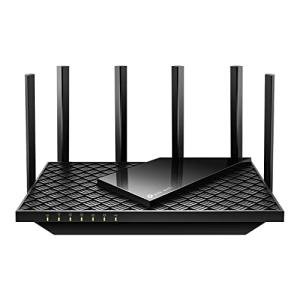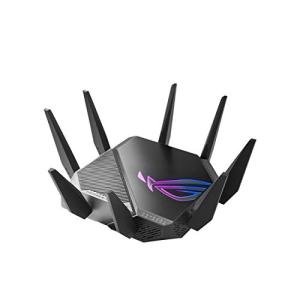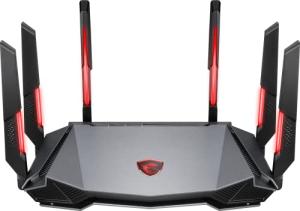

Aggregated specification data confirms this Wi-Fi 7 hardware utilizes a quad-core processor architecture to manage the 320MHz channel support and Multi-Link Operation (MLO). The lighting system is governed by a dedicated sub-controller, ensuring that aesthetic cycles do not interfere with CPU interrupts. The chassis design serves as a passive thermal chimney to dissipate the high heat output associated with Wi-Fi 7 radio chipsets.
Technical specifications indicate the inclusion of a 10Gbps WAN/LAN port, allowing for high-bandwidth fiber integration. The software environment supports customizable RGB effects that can be synchronized with real-time network traffic metrics. Performance analysis notes that the device operates at higher temperatures than previous-generation hardware, requiring unobstructed airflow for stable operation.
- Prioritization features: Specialized hardware gaming port.
- Control options: Mobile application and local web interface.
- Connectivity modes: 10G, 2.5G, and 1G wired interfaces.
For users who do not require Wi-Fi 7 and prefer a more established, legacy firmware environment with 8 LAN ports, the TP-Link AC5400 provides a different wired configuration.
Further architectural alternatives for this class of device can be explored via the high-end gaming routers documentation.