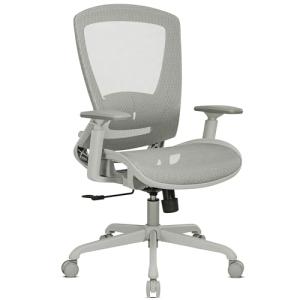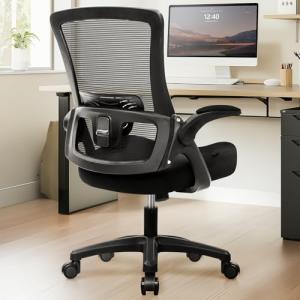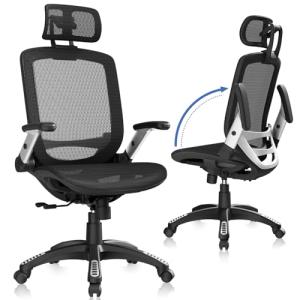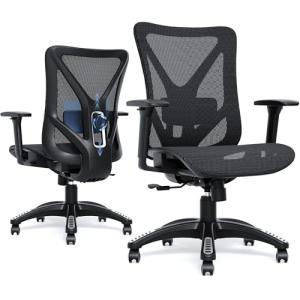

Technical reliability analysis of the Neo Chair Ergonomic Mesh identifies stress-point fatigue as a primary variable. Forensic data indicates a high incidence of Class 3 gas lift failure after 12 to 18 months of utilization. Material specifications show the polyester mesh is prone to sag-memory, where the structural tension degrades under loads exceeding 200 lbs.
Schematic analysis indicates this chassis is a standard Zhejiang-style ODM frame utilizing a 100mm Class-3 gas cylinder and a reinforced nylon base. Performance metrics for the lumbar support indicate a fixed-tension plastic leaf design rather than a dynamic system. The butterfly tilt plate provides basic lock/tilt functionality but lacks independent back-angle adjustment.
Structural dimensions include a 60mm nylon caster set best suited for carpeted surfaces due to high friction coefficients on hardwood. Hardware analysis confirms the mechanical bones are identical to generic imports, despite proprietary upholstery finishes. Aggregated user reports list frequent acoustic emissions from the seat pan during lateral movement.
The Molents Ergonomic Chair provides an alternative lumbar configuration for users seeking different support metrics.
Comparative specifications for this hardware are maintained in the mesh office chairs database.