

Technical analysis of the Flic 2 identifies it as a high-precision human interface device utilizing the Nordic Semiconductor nRF52832 SoC. This Bluetooth Low Energy (BLE) architecture facilitates a HID-compliant handshake, though system stability is contingent upon the host device's power management protocols or the presence of a proprietary bridge. The physical switch mechanism utilizes a tactile dome array rated for 200,000 cycles, providing a distinct mechanical confirmation of engagement.
Material specifications indicate a custom PCB layout housed in a proprietary enclosure, featuring a suction-style reusable adhesive backing for versatile mounting.
Performance metrics indicate that while BLE offers significant interference mitigation, effective range is determined by line-of-sight variables and structural density. Operational data suggests a potential 1-2 second latency during initial wake-up cycles. System integration capabilities extend to IFTTT, Zapier, and HomeAssistant platforms, though many advanced software triggers require an active cloud connection for execution.
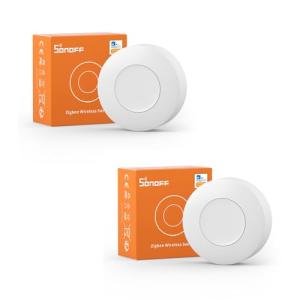
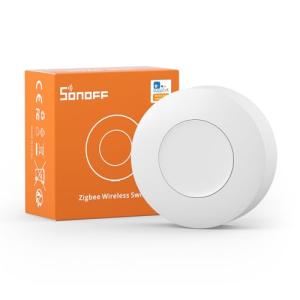
If physical Bluetooth range limitations impact your automation mesh, the SONOFF Zigbee Wireless Push Button offers a mesh-based protocol alternative that utilizes routing nodes to extend signal distance.
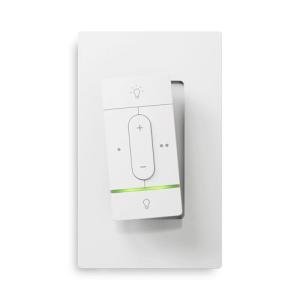
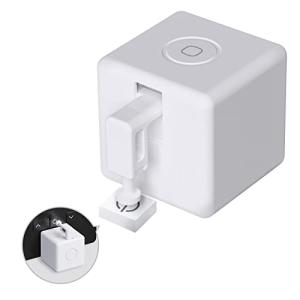
This unit is classified within the broader ecosystem of wireless programmable buttons, which serve as localized digital triggers for complex hardware scenes.