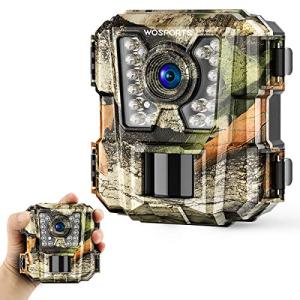
2. 🔌 Choosing Your System: Key Features and Compatibility
When selecting your Floodlight & Trail Cams , your choice must be determined by the installation location—is it near existing wiring (floodlight) or completely remote (trail cam)—and the network capability of that spot.
Essential Variations and Deployment Focus
Floodlight & Trail Cams are specialized security tools, often requiring unique power and connectivity methods:
-
Smart Floodlight Cams (Wired Power):
-
Pros: Designed for installation on existing junction boxes (replacing old floodlights). They receive continuous AC power, guaranteeing stable, always-on recording and the highest resolution video. The powerful LED floodlights (often over 2000 lumens) provide excellent color night vision and immediate deterrence. This ensures reliable 24/7 Monitoring and fast Remote Access video retrieval.
-
Cons: Requires existing external electrical wiring, limiting placement flexibility. The initial installation can be complex, often requiring the work of an electrician.
-
US Lifestyle Context: Essential for monitoring driveways, side yards, or back decks in suburban homes in the Northeast, providing a visible, active security deterrent.
-
Smart Trail Cams (Battery/Cellular Power):
-
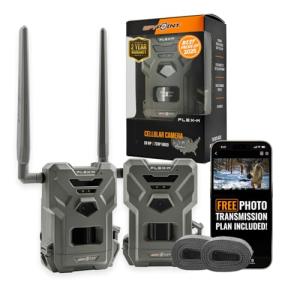
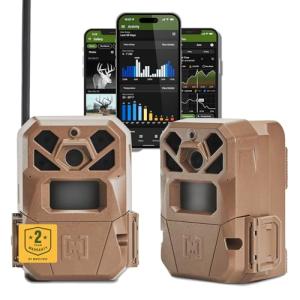
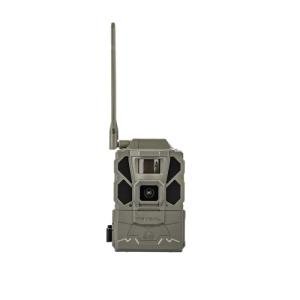
Pros: These cams are built for maximum flexibility and Energy Efficiency . They run on powerful battery packs or solar power and connect via Wi-Fi or, often, integrated cellular service. This allows them to be placed deep in a large backyard, far from the house, or on a remote property (like a hunting cabin).
-
Cons: Cellular models require a data subscription, adding monthly cost. Battery-saving mode results in short video clips and slightly slower wake-up times compared to wired units.
-
US Lifestyle Context: Perfect for a property owner in rural Montana monitoring a remote gate, barn, or the property line, leveraging cellular connectivity for Remote Access alerts far from the home router.
-
Lens and Field of View:
-
Floodlight Cams usually have a wide horizontal and vertical view to cover a vast yard area and often include highly sensitive motion detection arrays (PIR) to minimize false alerts.
-
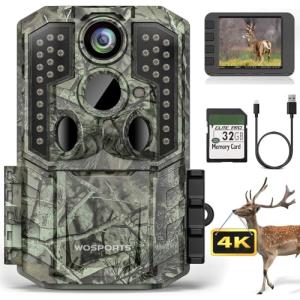
Trail Cams often feature a more focused lens to capture distant objects clearly, prioritizing low-visibility monitoring for wildlife or property surveillance rather than wide-area deterrence.
Compatibility Protocols
Connectivity is what makes Floodlight & Trail Cams smart. You must confirm the unit can communicate effectively from its outdoor position, which is often challenging due to walls and distance.
-
Wi-Fi and Data Stability: Floodlight cams use Wi-Fi, relying on a robust signal to upload high-bandwidth video quickly. Trail cams often use integrated cellular service (LTE), which requires checking coverage availability at the installation site. Both methods are critical for delivering 24/7 Monitoring alerts.
-
Two-Way Audio (Floodlight): This feature requires clear, low-latency audio transmission via Wi-Fi, allowing you to speak to a visitor or intruder via Remote Access . The camera's microphone must be protected from wind and elements.
-
Smart Ecosystem: Integration with platforms like Google and Alexa allows you to control the floodlight via voice or automate security functions with other smart devices, enhancing system efficiency and maximizing your home's Energy Efficiency by controlling when the light is active.
3. 🛠️ Installation and Setup Walkthrough
Installation varies significantly depending on the type of cam. Floodlight models require electrical competence, while trail cams require network expertise and physical concealment.
Pre-Installation Preparations
-
Wired Model Check (Floodlight): For hardwired models, turn off the circuit breaker and confirm the junction box is functioning. Ensure the wiring is accessible and safe.
-
Signal Check (Floodlight & Trail Cam): Test the Wi-Fi or cellular signal at the installation point. Weak signal means lag, poor performance, and excessive battery drain (a major Energy Efficiency killer for trail cams). Install a signal booster or external antenna if necessary.
-
Charge Trail Cam Battery: Fully charge the battery pack for trail cams or cellular units before mounting. This is essential for proper calibration and ensuring immediate 24/7 Monitoring .
Installation Guide (Typical Smart Floodlight Cam)
-
Mount Junction Plate: Following all safety protocols, mount the camera’s junction plate to the existing outdoor electrical box. Connect the camera wires (Hot, Neutral, Ground) to the house wiring using wire nuts.
-
Secure Camera Unit: Secure the Floodlight & Trail Cams main unit and its floodlight arms to the junction plate, ensuring a tight, weatherproof seal against the mounting surface.
-
Power Up and Pair: Restore power at the breaker. Use the manufacturer's app to connect the unit to your Wi-Fi network. Confirm the app provides Remote Access to the live view and light controls.
-
Calibrate Light and Motion: Set the intensity and duration of the floodlights. Configure the motion detection zones to cover the entire driveway or yard while excluding non-essential triggers, maximizing Energy Efficiency and preventing false alerts.
Troubleshooting Common Issues
-
Issue 1: Floodlight Stays On Continuously.
-
Issue 2: Trail Cam Battery Dies Too Quickly.
-
Resolution: This is a major Energy Efficiency failure due to poor cellular or Wi-Fi signal, forcing the radio to constantly search for connection. If cellular, check the carrier signal strength in the app. If Wi-Fi, install a robust outdoor-rated mesh node closer to the camera.
-
Issue 3: Video is Overexposed by the Floodlight.
-
Resolution: The infrared (IR) or visible light is too intense for the cam's sensor in close range. Adjust the light sensitivity in the app. If the light brightness is manually adjustable, reduce the output so the camera can record a balanced image, ensuring better 24/7 Monitoring at night.
4. Advanced Automation and Maximizing Value
The combined power of motion, light, and video in Floodlight & Trail Cams allows for the creation of potent security and convenience routines across your smart home.
Powerful Automation Scenarios
-
Perimeter Lock Down: One of your Floodlight & Trail Cams detects a vehicle approaching after 10 PM. An automation instantly turns on the floodlights, starts high-resolution recording, and sends a critical alert via Remote Access . Simultaneously, the system automatically engages the Smart Lock on the back door and turns off interior lights to give the impression the occupants are away.
-
Optimized Energy Efficiency (Floodlight): The floodlight cam is programmed to only illuminate the powerful LED lights when a person is detected, but not for common events like a passing car or small animal. Furthermore, the light's duration is set to a minimum of 60 seconds, maximizing both security deterrence and Energy Efficiency by preventing unnecessary, prolonged illumination.
-
Remote Property Check: While you are traveling in another state, you receive an alert from your trail cam that a bear has entered the garbage area (detected via specialized animal detection). You check the live view via Remote Access and activate the two-way talk feature to deter the animal, providing instant 24/7 Monitoring and intervention capabilities for remote assets.
Longevity & Maintenance
Given the harsh exposure of Floodlight & Trail Cams , physical maintenance is critical. Annually check the weatherproof seal around the junction box or battery compartment to prevent moisture intrusion. Physically clean the camera lens and the floodlight surface every few months to maintain video clarity and light output. For trail cams, manage battery usage proactively via the app to maximize Energy Efficiency and replace worn-out solar panels if performance degrades. Always install firmware updates immediately for security and algorithmic improvements.
5. COMPLEMENTARY CATEGORY RECOMMENDATIONS
| Recommended Categories |
Why This Category Is Useful Specifically for This Product |
Short Usage Scenario |
| Alarm Systems |
The cams act as primary security perimeter sensors, providing critical motion triggers and video verification for the overall alarm system's 24/7 Monitoring . |
Motion detection from the floodlight cam triggers the base alarm system siren. |
| Smart Locks |
The camera allows for clear identification of people entering the door, enabling smart locks to be unlocked/locked via Remote Access . |
The cam detects the delivery driver, and you remotely unlock the side gate smart lock. |
| Outdoor Lighting |
The cam's motion trigger can activate adjacent, non-integrated smart outdoor lights for a wider security perimeter deterrence effect. |
The cam detects movement at the driveway and triggers the smart landscape spotlights to turn on. |
| Networking Gear |
A robust outdoor-rated Wi-Fi mesh system is required to ensure the cam maintains a stable connection for high-bandwidth video upload. |
Installing an outdoor mesh node guarantees the cam's high-res video stream is delivered instantly. |
| Smart Wall Switches |
The cam's motion can be set to turn on interior lights or garage lights controlled by a smart switch to simulate occupancy. |
Motion outside triggers the smart wall switch controlling the interior foyer light. |
| Central Hubs |
The hub integrates the camera's triggers with other protocol devices (e.g., Z-Wave smart locks), allowing for complex cross-device security routines. |
The hub links the cam's detection event to an automated security routine that sends a notification to all smart displays. |
| Smart Power |
Used to control power to accessories or even the floodlight cam itself, allowing for scheduled power management and Energy Efficiency routines. |
A Smart Outdoor Plug is set to power off the cam during daylight hours to conserve power (if battery). |
| Power Storage |
A UPS ensures the home's router remains online during power loss, maintaining the camera's network access for Remote Access and alert transmission. |
Power goes out, but the router stays on via the UPS, allowing the cam to send the critical intrusion alert. |
Floodlight & Trail Cams are the superior, specialized solution for comprehensive external monitoring. They eliminate dark corners, maximize visibility with integrated lighting, and ensure you capture high-quality video evidence via instant Remote Access . Whether you are securing a remote gate with a trail cam or deterring intruders with a floodlight cam, these devices provide reliable 24/7 Monitoring and support your long-term goals for Energy Efficiency . Invest in the power and visibility of Floodlight & Trail Cams today for total perimeter security.