Securing a residential property has evolved from expensive, hardwired professional installations to accessible, modular systems that anyone can deploy in an afternoon. Modern smart security kits now offer sophisticated features like Sub-GHz RF communication and long-range protocols that penetrate dense walls without slowing down the home Wi-Fi network. Whether the goal is monitoring a small apartment or protecting a sprawling estate with perimeter sensors, there is a configuration designed to meet those specific architectural needs without requiring a monthly subscription.
Smart Security Kits
Protect your home with advanced technology that keeps you safe and connected
Product List
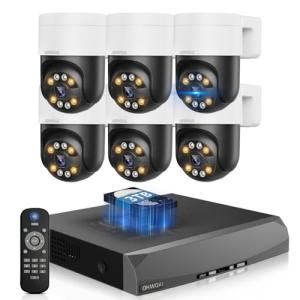
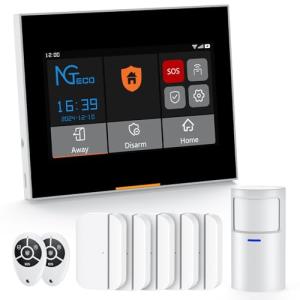
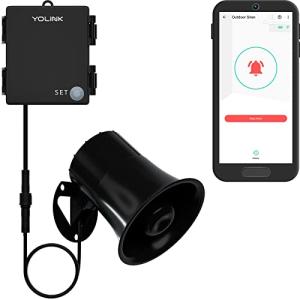
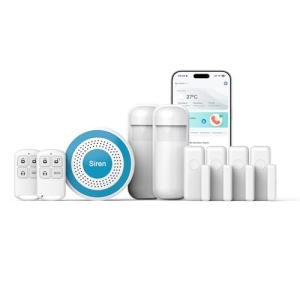
💡 Practical Usage Tips
- Connecting the primary Base Station directly to the router via an Ethernet cable significantly reduces latency compared to wireless connections.
- Users should separate security hardware from high-bandwidth entertainment devices by utilizing a dedicated 2.4GHz network or a proprietary hub protocol.
- Regular testing of the CR2032 Batteries in contact sensors is essential, even if the app reports healthy levels, to prevent failures during critical events.
- Positioning the central gateway in a central location within the home ensures that the Signal Mesh reaches sensors on the perimeter without dropouts.
✅ What to Look For & ⚠️ What to Avoid
Essential Features
- A system with Cellular Backup ensures that monitoring continues uninterrupted even if the home internet service fails or power is cut.
- Prioritize devices that use Sub-GHz Frequencies (like 868MHz or 915MHz) because they penetrate walls better than standard Wi-Fi signals.
- Look for Local Storage options, such as the HomeBase 2 found in the Eufy Home Security 5-Piece Alarm System, to keep data private and avoid monthly fees.
Warning Signs
- Avoid budget systems that rely on unencrypted 433MHz RF signals, as these can be easily jammed or replayed by sophisticated intruders.
- Be cautious of hubs that lack an internal backup battery, as the entire security system will go offline the moment the power grid fluctuates.
- Systems that rely entirely on Cloud Polling for automation logic often experience significant delays between a door opening and the siren sounding.
🛡️ Build Quality & Performance
The durability of a security system is defined by its ability to maintain a consistent "heartbeat" connection with its sensors. Higher-end systems utilize Z-Wave Plus or proprietary long-range radio protocols to create a mesh network that strengthens as more devices are added. This contrasts sharply with entry-level Wi-Fi kits, where adding more sensors can congest the router and lead to missed notifications. Reliability is paramount, and hardware that includes tamper switches and heavy-duty magnetic reeds tends to offer fewer false alarms over time.
Physical construction also varies significantly between tiers. Premium sensors often feature UV-resistant polymer housings that prevent yellowing and brittleness, whereas budget options may degrade when exposed to direct sunlight near windows. For users needing industrial-grade reliability, the YoLink LoRa Smart Door Sensor Starter Kit utilizes LoRa modulation to achieve signal distances that standard consumer gear cannot match, making it ideal for detached garages or large properties.
🏆 Top Recommendations
| Best For | Model Name | Key Feature | Why It Wins |
|---|---|---|---|
| Professional Monitoring | Ring Alarm 8-Piece | LTE Cellular Backup | It keeps working even if the Wi-Fi and power go down. |
| Privacy & Local Storage | Eufy 5-Piece System | Local HomeBase 2 | No monthly fees are required for full system functionality. |
| Extreme Range | YoLink LoRa Kit | LoRa Technology | The signal penetrates concrete and metal better than any other kit. |
| Compact Entry Level | Tapo Smart Sensor Kit | Miniature Design | The sensors are incredibly small and unobtrusive on door frames. |
❓ Frequently Asked Questions
Why is a dedicated hub better than connecting directly to Wi-Fi?
Connecting security sensors directly to Wi-Fi consumes router bandwidth and drains sensor batteries quickly. A dedicated hub uses low-power protocols like Z-Wave or Sub-GHz RF, which allows sensors to last for years and keeps the home network free for streaming and browsing.
Do these systems work when the power goes out?
It depends on the specific model. Premium systems like the Ring Alarm include an internal battery backup in the base station that keeps the alarm active for up to 24 hours. Budget systems often lack this feature and will shut down immediately during a power outage.
Can I mix and match sensors from different brands?
Generally, no. Most manufacturers use proprietary communication stacks or encrypted handshakes that prevent cross-compatibility. While some hubs support third-party Z-Wave devices, features are often limited, so sticking to a single ecosystem is recommended for maximum stability.
Is a monthly subscription required for these alarms?
Most systems function locally without a fee, allowing the siren to sound and push notifications to be sent to a phone. However, professional monitoring (calling the police/fire department automatically) and cellular backup features usually require a paid subscription.