🗺️ The Component Breakdown: Analyzing Product Types for Smart Music
A truly modern Smart Music system is built on two core functions: the delivery of high-resolution audio content for listening and the integration of smart learning tools for active musical education and creation.
Content Delivery: Streaming and Source Management
These products ensure your access to millions of songs is fast, centralized, and delivered in the highest possible fidelity.
-
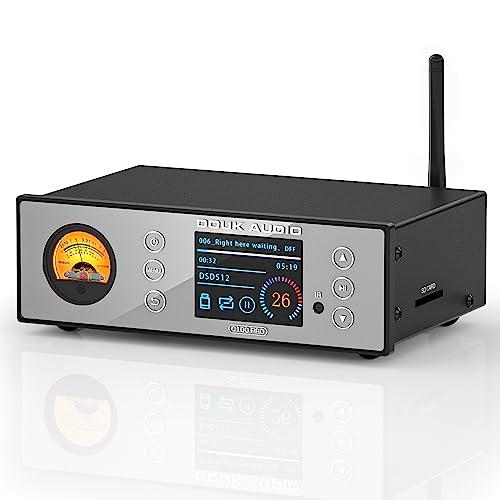
Music Streaming Devices: These are dedicated hardware components designed to deliver audio from online services (like Spotify, Apple Music, Tidal) directly to your high-fidelity speakers or AV receiver, bypassing your phone or computer. Music Streaming Devices often support high-resolution (Hi-Res) audio formats, ensuring the best possible sonic quality. They provide essential Seamless Control over source selection, allowing you to quickly browse and play music using an app or voice assistant.
Active Creation: Learning and Practice
This component introduces smart technology into the realm of music education and instrumental practice, making learning intuitive and integrated.
-
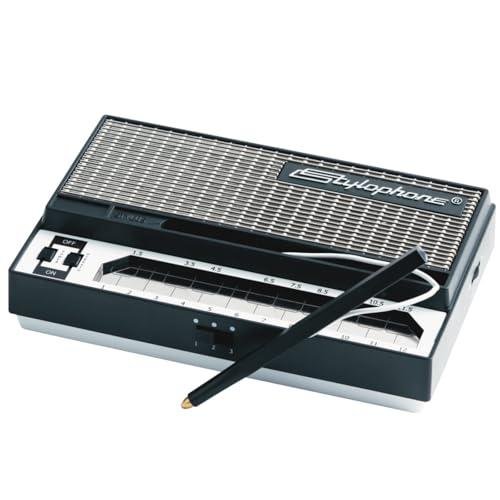
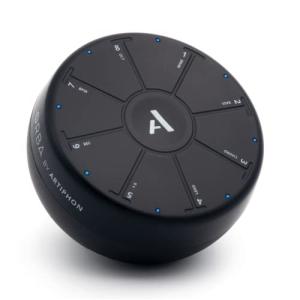
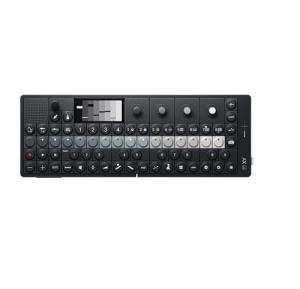
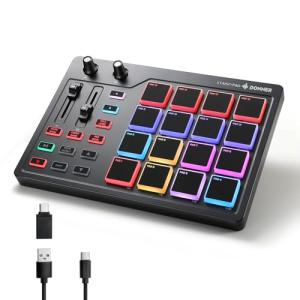
Smart Instruments (Pianos, Guitars, Drums): These instruments integrate connectivity and sometimes interactive LED feedback into traditional hardware. Smart Instruments are designed to connect to learning apps, guiding the user through lessons, providing instant feedback on technique, and even recording practice sessions. This innovative fusion of technology and tradition makes learning more accessible and engaging, providing a unique form of skill-based Enhanced Comfort .
Layering & Integration: The Flow of Sound
Building a cohesive Smart Music system involves connecting the source to the playback and integrating creation tools for learning:
-
Source: The Music Streaming Device is installed near your primary sound system (e.g., an AV receiver).
-
Playback: The streaming device outputs to your Multi-Room Audio system or a premium soundbar, distributing the high-resolution signal throughout the house.
-
Creation: A Smart Instrument connects to a display or app, allowing the user to practice and record privately.
This layered approach ensures that high-fidelity music is instantly accessible for listening while also making musical learning an integrated, smart activity, maximizing both enjoyment and skill development.
3. 🧪 Key Technical Standards and Advanced Use Cases
The quality of a Smart Music system hinges on two primary technical standards: audio fidelity and network reliability. Key standards to look for include Hi-Res Audio Certification (e.g., up to 24 -bit/ 192 kHz FLAC or MQA formats) on Music Streaming Devices . This certification ensures that the device can process and deliver the highest quality digital audio available, preserving the artist's original intent and maximizing sonic Enhanced Comfort .
For network stability, devices should support high-speed, low-latency protocols like Wi-Fi 6 or Gigabit Ethernet , which are necessary to stream large, uncompressed audio files flawlessly across your home network.
Consider an advanced use case: Automated Music Creation and Environment Control.
You can configure a routine using a Smart Instrument and lighting control. A Smart Instrument can automatically record a practice session and then, upon completion, signal the smart hub to play the recorded track back through the main Multi-Room Audio system. Simultaneously, the lights could shift to an ambient "Listening Mode" scene. This provides creative feedback and a dedicated playback environment, achieving total Seamless Control over both the creative process and the ambiance.
A secondary, safety-focused scenario is using the Smart Music system for environmental Secure Monitoring . If the music playback is automatically paused due to a critical home event (like a smoke alarm activation or the video doorbell ringing), the system can broadcast a specific, high-volume audio alert. This uses the pervasive nature of your Multi-Room Audio to ensure critical warnings are instantly heard over background music.
4. Lifestyle Guide
Your personal relationship with music—as a passive listener, an active creator, or an audio enthusiast—determines the focus of your Smart Music system. Here are three distinct archetypes and the perfect system tailored for each.
🧘 The Simplicity-Seeking User (The "Instant Listener")
You want music to be instantly accessible in any room using only your voice. You prioritize ease of use, app integration, and reliable synchronization across zones over absolute sonic fidelity. You seek simple, ambient Enhanced Comfort .
-
The Fit: You need dedicated hardware that can pull music directly from the internet and feed it seamlessly to your existing smart speakers.
-
Recommendation: A Music Streaming Device (focused on quick internet access) integrated with your preferred voice assistant (Alexa, Google). This provides essential Seamless Control over source selection and playback throughout the home, making music an effortless, always-available backdrop.
🚀 The Performance-Focused User (The "High-Fidelity Audiophile")
You demand the highest quality audio transmission possible, often using dedicated AV equipment. You need a streaming solution that handles lossless, Hi-Res audio files and integrates cleanly into a complex home theater setup. You demand maximum sonic Enhanced Comfort .
-
The Fit: You need a high-end Music Streaming Device capable of processing and outputting 24 -bit Hi-Res audio via dedicated connections to your AV receiver.
-
Recommendation: A premium Music Streaming Device that supports high-resolution formats, paired with dedicated Music Accessories (e.g., a high-quality DAC or cable) to ensure the purest signal path to your amplifier. This specialized focus maximizes the fidelity of your Smart Music and delivers an uncompromising listening experience.
💼 The Budget-Expansion User (The "Aspiring Musician")
Your primary focus is on developing a new musical skill. Your budget prioritizes learning tools and tracking progress over high-end playback quality. You need integrated feedback and instruction. You need affordable, integrated learning.
-
The Fit: You need a functional instrument that connects to educational apps and provides immediate, digital feedback on your performance.
-
Recommendation: A Smart Instrument (e.g., a connected keyboard) combined with a subscription to a platform offering Premium Music Services (focused on lessons and guided practice). The instrument makes practice engaging and trackable, providing the most effective use of your Smart Music budget for skill acquisition.
5. COMPLEMENTARY CATEGORY RECOMMENDATIONS
| Recommended Categories |
Why This Category Is Useful Specifically for This Product |
Short Usage Scenario |
| Multi Room Audio |
Smart Music streaming devices are the primary content source for the Multi-Room Audio ecosystem, sending synchronized music across all zones. |
Using the Music Streaming Device to start a playlist that automatically plays through all speakers in the kitchen, dining room, and patio simultaneously. |
| Voice Assistants |
Voice assistants are the primary interface for Smart Music , allowing hands-free control over songs, volume, and playback zones for Seamless Control . |
Asking your voice assistant to "Play smooth jazz on the living room speaker." |
| Soundbars Audio |
High-fidelity soundbars and AV Receivers are the final output stages for the high-resolution audio delivered by Music Streaming Devices . |
The streaming device outputs a Hi-Res audio signal directly to the Dolby Atmos Soundbar for critical listening. |
| Networking Gear |
Stable, high-bandwidth Wi-Fi is essential for Music Streaming Devices to handle large, lossless audio files without buffering or dropouts. |
Connecting the Music Streaming Device to a dedicated Ethernet port for reliable, high-fidelity music streaming. |
| Lighting Climate |
Smart lighting can be automated to match the tempo or mood of the music playing, creating immersive scenes that enhance Enhanced Comfort . |
The room lights slowly cycling through warm colors when a "Relaxation" playlist starts playing via the streaming device. |
| Media Storage |
Media Storage (like a NAS drive) serves as a private, local source of high-quality music files that can be streamed by Music Streaming Devices . |
The streaming device accessing the personal FLAC music archive stored on the Media Storage drive. |
| Smart Home Control |
Dedicated control panels provide a reliable, tactile interface for changing music zones or sources quickly, ensuring Seamless Control during parties. |
Using a dedicated wall control panel to adjust the volume in the kitchen zone independently from the living room music. |
| Home Security |
Smart Music systems can be configured to broadcast alert tones, leveraging the pervasive audio system for environmental Secure Monitoring of home alarms. |
The music instantly fading out to allow the home security system to broadcast an audible emergency warning. |
Committing to high-quality Smart Music is investing in the sonic atmosphere of your home. By utilizing dedicated Music Streaming Devices and integrating them seamlessly with your home network, you achieve rich Enhanced Comfort and total Seamless Control over your entire audio library. This specialized system ensures the integrity of your music and provides a crucial communication path for home Secure Monitoring alerts, making every moment sound perfect.