The modern kitchen is evolving rapidly, moving beyond simple timers to appliances that understand the science of cooking. Smart microwaves now offer integrated voice controls, precision sensors, and advanced power delivery systems to ensure meals are heated evenly. This guide explores how these connected devices simplify meal preparation while maintaining the high performance required for a busy household.
Smart Microwaves
Get quick and delicious meals with intelligent cooking that suits your busy lifestyle
Product List
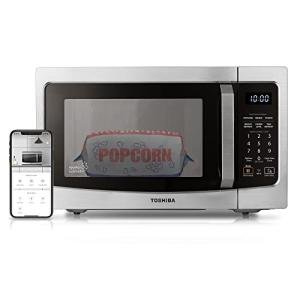
TOSHIBA Alexa Smart Microwave
Toshiba
Product Review Score
4.29 out of 5 stars
186 reviews$180.99 $149.99
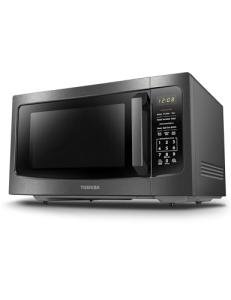
Toshiba Smart Sensor Microwave
Toshiba
Product Review Score
4.12 out of 5 stars
121 reviews$182.99 $135.00
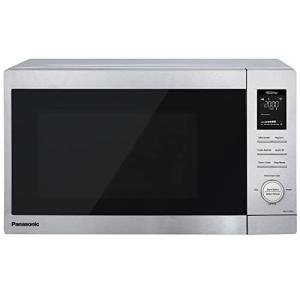
Panasonic Alexa Microwave Oven
Panasonic
Product Review Score
4.97 out of 5 stars
192 reviews$329.95 $279.99
💡 Practical Usage Tips
- Positioning the unit within a direct line-of-sight to the internet router ensures that voice commands remain responsive and lag-free.
- Wiping away excess moisture from the interior walls after cooking helps preserve the WAVEGUIDE COVER and prevents surface wear over time.
- Utilizing the built-in mute function is an excellent way to operate the appliance early in the morning without disturbing other household members.
- Leaving at least three inches of space on the sides and twelve inches above the unit allows for proper VENTILATION, which protects internal components from overheating.
✅ What to Look For & ⚠️ What to Avoid
Must-Have Features:
- Look for a SMART SENSOR that detects steam, as it automatically stops the cooking process to prevent food from drying out.
- Higher wattage models, such as the Toshiba 1200W Smart Sensor, offer significantly faster heating times for liquids and frozen meals.
- Advanced power delivery, often called INVERTER TECHNOLOGY, provides a steady stream of energy for delicate tasks like melting chocolate or defrosting meat without cooking the edges.
Red Flags to Avoid:
- Avoid placing smart microwaves near other devices that use a 2.4GHz signal, as this can cause the appliance to lose its connection to voice assistants.
- Be cautious of units that rely entirely on the cloud for basic tasks, as an internet outage might disable the "smart" features you use most often.
- Steer clear of models with thin, epoxy-coated interiors if long-term durability is a priority, as these can chip or rust more easily than stainless steel.
🛡️ Build Quality & Performance
The physical construction of a microwave often dictates its lifespan and daily performance. High-quality models typically feature a STAINLESS STEEL INTERIOR, which is not only easier to clean but also reflects heat more efficiently than standard painted surfaces. Reinforced door latches and sound-dampening insulation are also hallmarks of better engineering, ensuring the door feels secure and the motor runs quietly during heavy use.
Performance varies based on how the machine handles energy. While traditional units pulse their power on and off, the Panasonic Smart Inverter Microwave uses a continuous flow of energy. This method results in much more even heating, eliminating the common frustration of food that is boiling on the outside but frozen in the middle. Choosing a model with a reinforced chassis ensures the appliance can handle the vibrations of high-wattage cooking for years to come.
🏆 Top Recommendations
| Best For | Model Name | Key Feature | Why It Wins |
|---|---|---|---|
| Voice Control | Toshiba Alexa Model | Alexa Integration | Hands-free convenience at a great value. |
| Raw Power | Toshiba 1200W | 1200W Output | Fastest heating and durable steel build. |
| Precision | Panasonic Inverter | Cyclonic Inverter | Perfect even cooking and defrosting. |
❓ Frequently Asked Questions
Does a smart microwave work if the Wi-Fi goes out?
The appliance will still function as a traditional microwave using the manual keypad, but voice commands and remote phone notifications will be unavailable until the connection is restored.
What is the benefit of an inverter over a regular microwave?
An inverter provides a steady, constant level of heat, whereas regular microwaves simply turn full power on and off repeatedly. This leads to more consistent results and prevents the edges of food from getting rubbery or overcooked.
Are smart sensors really better than timers?
Yes, sensors measure the actual steam coming off the food to determine when it is finished, which is much more accurate than guessing a time that might lead to undercooking or burning.