Transforming the atmosphere of a home often begins with lighting control, and upgrading to intelligent switches offers both convenience and energy efficiency. Smart dimmers replace standard wall switches to provide precise brightness adjustments, scheduling capabilities, and voice command integration without needing to change every single bulb. Whether the goal is automating a morning routine or setting the perfect movie night ambiance, finding the right hardware ensures a seamless blend of traditional utility and modern connectivity.
Smart Dimmers
Transform your lighting experience and save energy with easy-to-use smart dimmers
Product List
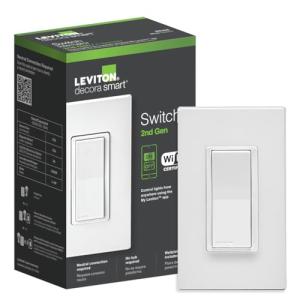
Leviton Smart Wi-Fi Dimmer
Leviton
Product Review Score
4.09 out of 5 stars
232 reviews$34.08 $26.95
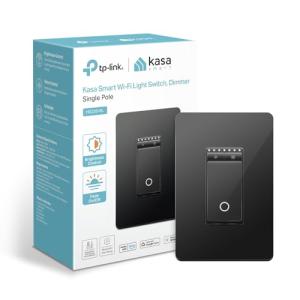
Kasa Smart Dimmer Switch
Kasa Smart
Product Review Score
4.41 out of 5 stars
137 reviews$22.99 $16.09
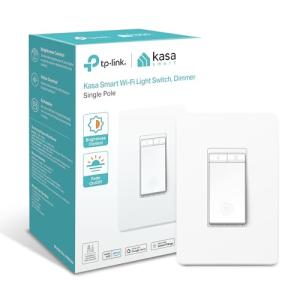
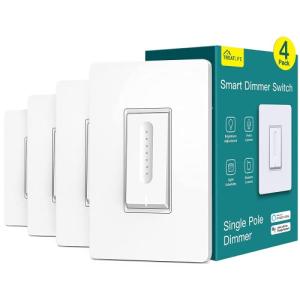
TREATLIFE Alexa Dimmer Switches 4-Pack
Treatlife
Product Review Score
4.64 out of 5 stars
157 reviews$79.99 $59.99
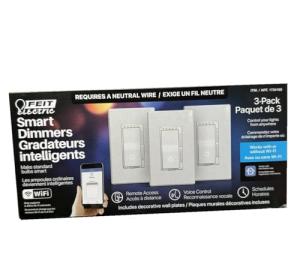
Feit Electric Smart Dimmer 3-Pack
Feit Electric
Product Review Score
4.16 out of 5 stars
183 reviews$54.76
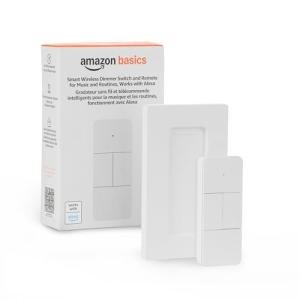
Alexa-Enabled Remote Dimmer
Amazon Basics
Product Review Score
4.81 out of 5 stars
180 reviews$19.99 $16.99
💡 Practical Usage Tips
- Before purchasing any hardware, remove the existing faceplate to confirm the presence of a neutral wire, which is usually a bundle of white wires tucked in the back of the box.
- For homes with older wiring or limited space in the electrical box, looking for a "slim" profile switch is essential to ensure the unit fits without damaging the internal conductors.
- Users planning to install multiple smart switches should verify that their router can handle the increased number of IP addresses on the 2.4GHz frequency band.
- Always adjust the minimum dimming threshold in the companion app immediately after installation to prevent LED bulbs from flickering or buzzing at low light levels.
✅ What to Look For & ⚠️ What to Avoid
MUST-HAVES:
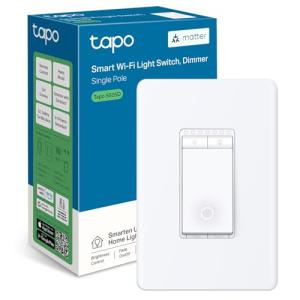
- Look for devices that support the Matter protocol, as seen in the TP-Link Tapo Smart Dimmer Switch, to ensure long-term compatibility across different smart home ecosystems.
- A physical air-gap switch is a crucial safety feature that mechanically cuts power to the fixture, allowing for safe bulb changes without flipping the main breaker.
- High-quality dimmers utilize a TRIAC or MOSFET component to manage the electrical current smoothly, which helps extend the lifespan of sensitive LED drivers.
- Local control capability is vital because it ensures the light switch continues to function manually even if the internet connection or cloud service goes offline.
RED FLAGS:
- Avoid devices with excessively deep rear housings if your wall boxes are crowded, as this makes wire management dangerous and difficult.
- Be cautious of switches that rely solely on single-pole wiring if you intend to use them in a hallway or large room that requires control from two different locations.
- Cheaper units lacking a dedicated heatsink or proper ventilation can overheat when running at full brightness for extended periods.
- Switches that do not offer calibration settings for low-voltage LEDs often result in annoying strobing effects when the lights are dimmed below 20%.
🛡️ Build Quality & Performance
The tactile experience of a smart dimmer is just as important as its digital features. Premium models often move away from cheap, hollow-sounding plastic and employ robust polycarbonate materials that feel solid to the touch. A distinct click or firm rocker action provides necessary feedback, confirming that a command has been registered physically. For instance, the Lutron Sunnata Touch Dimmer Switch elevates this interaction by using a capacitive light bar instead of mechanical moving parts, offering a sleek, modern aesthetic that resists wear over time.
Performance stability relies heavily on the internal components managing the electrical load. Devices engineered with proper isolation between the high-voltage AC input and the low-voltage logic chips tend to last longer and suffer from less interference. Heat management is another critical factor; better-engineered switches include internal metallic heatsinks to dissipate the thermal energy generated by dimming curves. While bulky, these cooling solutions prevent the electronics from degrading, ensuring that the smart connectivity remains responsive even after years of daily use.
🏆 Top Recommendations
| Best For | Model Name | Key Feature | Why It Wins |
|---|---|---|---|
| Most Versatile | Leviton Decora Smart Wi-Fi (2nd Gen) | Matter Support | Offers broad compatibility and local control fail-safes. |
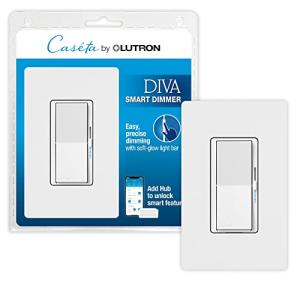
| Older Homes | Lutron Diva Smart Dimmer | No Neutral Required | Perfect for retrofitting without rewiring the house. |
| Budget Friendly | Kasa Smart Dimmer (HS220) | Local API | Reliable performance with excellent app calibration tools. |
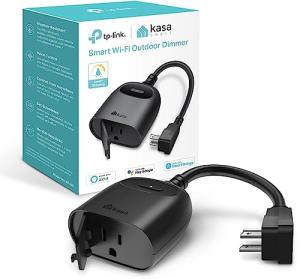
| Outdoor Use | Kasa Outdoor Smart Plug (KP405) | IP64 Rating | Ideal for controlling and dimming patio string lights. |
❓ Frequently Asked Questions
Do I really need a neutral wire?
For most Wi-Fi dimmers, yes. The neutral wire completes the circuit that keeps the smart radio powered on, even when the light is off. Without it, the switch would lose its connection to the network. However, specific models like the Lutron Diva use different technology to operate without one.
What is the difference between single-pole and 3-way?
A single-pole switch controls a light from one location, while a 3-way setup allows you to control the same light from two different wall switches (like at the top and bottom of a staircase). Many smart dimmers are single-pole only, so you must verify 3-way compatibility if needed.
Will these slow down my Wi-Fi?
Adding dozens of devices to a standard router can cause congestion, especially since most smart plugs use the 2.4GHz band. If you plan to install smart switches throughout an entire house, upgrading to a mesh Wi-Fi system or using a hub-based system (like Lutron) helps manage the traffic better.