Creating a connected living space involves more than just purchasing individual gadgets; it requires selecting a cohesive system where every component communicates effectively. From securing entry points with advanced encryption to monitoring electrical consumption at the circuit level, the most reliable setups prioritize hardware durability and signal stability. This guide navigates the complexities of integrating these devices into a seamless environment, ensuring that convenience does not come at the expense of security or reliability.
Smart Device Bundles
Unlock seamless living with our all-in-one smart device bundles designed to simplify your home
Product List
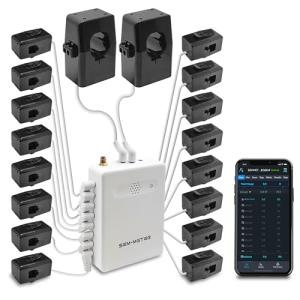
16-Circuit Smart Energy Monitor
Fusion Energy
Product Review Score
4.42 out of 5 stars
173 reviews$129.99
💡 Practical Usage Tips
- When installing wireless devices inside metal enclosures, such as a breaker panel or a steel door, using an external antenna or BRIDGE is often necessary to maintain a stable connection.
- Smart locks generally perform better and conserve more battery life when the door is properly aligned, as this reduces the friction the internal motor must overcome.
- For video doorbells, checking the existing transformer voltage is crucial because older homes often lack the power delivery required for modern night-vision cameras.
- Utilizing sensors that operate on SUB-GHZ frequencies helps bypass the interference and congestion typically found on standard Wi-Fi networks.
✅ What to Look For & ⚠️ What to Avoid
MUST-HAVES
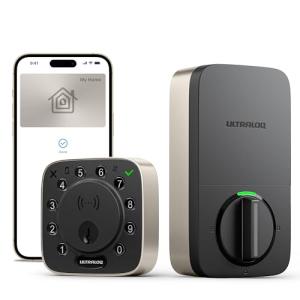
- Versatile entry methods are essential for reliability, which is why devices like the ULTRALOQ Bolt NFC include physical keyways alongside digital access.
- Advanced encryption standards, such as NFC AUTHENTICATION, provide a higher level of security than standard keypads by preventing code theft.
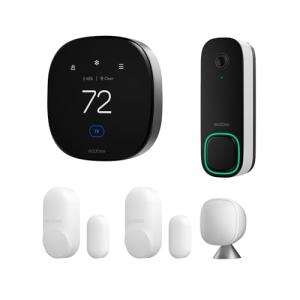
- Look for environmental sensors that include VOC and CO2 monitoring to gain a more complete picture of home air quality beyond just temperature.
RED FLAGS
- Be cautious of locks with integrated Wi-Fi radios if they lack a substantial battery pack, as the constant network communication drains power rapidly.
- Avoid safety monitors that rely entirely on local power to send alerts, as they cannot notify users during a total power failure without a cloud-side heartbeat check.
- Skip energy monitors that do not offer an external antenna option if the installation site involves a heavy gauge metal breaker box.
🛡️ Build Quality & Performance
The durability of smart home hardware is often defined by the materials used in the chassis and the grade of the mechanical components. High-security locks typically feature an ANSI GRADE 1 rating, indicating they can withstand significant physical force. However, there is often a trade-off between physical robustness and aesthetic design. Some units house powerful motors in bulky exterior shells to ensure they can lock difficult doors, while others miniaturize the technology for a seamless look.
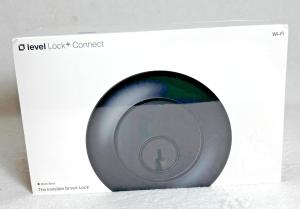
For instance, the Level Smart Lock+ WiFi Deadbolt manages to fit its entire logic board and drivetrain inside the door itself. This engineering feat creates an invisible profile but requires precise installation to avoid putting strain on the smaller gearbox. Conversely, industrial-grade energy monitors sacrifice aesthetics entirely for performance, using multiple CURRENT TRANSFORMERS to deliver highly granular data from inside the utility panel.
🏆 Top Recommendations
| Best For | Model Name | Key Feature | Why It Wins |
|---|---|---|---|
| Design Purists | Level Smart Lock+ | Invisible Profile | Hides all tech inside the door bore. |
| Versatility | ULTRALOQ Bolt NFC | Multiple Entries | Offers keypad, key, app, and NFC. |
| Total Control | Ecobee Smart Bundle | Sub-GHz Sensors | Excellent range and air quality tracking. |
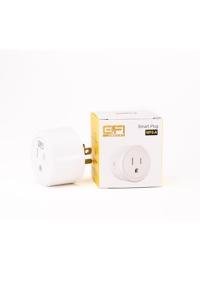
| Power Safety | GFI Notify System | Cloud Heartbeat | Alerts you even if your Wi-Fi dies. |
❓ Frequently Asked Questions
Do smart locks work if the power or Wi-Fi goes out?
Yes, most smart locks operate on internal batteries, so the locking mechanism continues to function during a power outage. Models with physical keyways allow for manual entry, while keypad models will still accept codes as long as the batteries are charged.
Can I install a whole-home energy monitor myself?
Installation typically requires opening the main electrical panel and clamping sensors around live wires. While some advanced DIY enthusiasts can handle this, it is generally recommended to hire a professional electrician to ensure safety and accuracy.
What is the advantage of Sub-GHz frequency over Wi-Fi?
Frequencies below 1GHz (SUB-GHZ) penetrate solid objects like walls and floors much better than the 2.4GHz or 5GHz signals used by standard Wi-Fi. This makes them ideal for sensors placed in distant rooms or basements where Wi-Fi coverage is spotty.