Selecting a portable power station can feel overwhelming with so many technical terms, but it essentially comes down to finding a reliable battery that fits a specific lifestyle. Whether the goal is to keep phones charged during a weekend camping trip or to maintain home appliances during a blackout, understanding how these units store and deliver energy ensures a smart investment.
Portable Power Stations
Stay powered up anywhere with these compact and convenient energy solutions
Product List
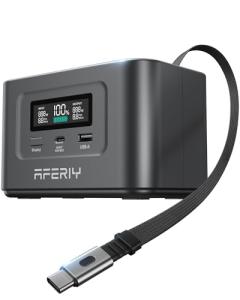
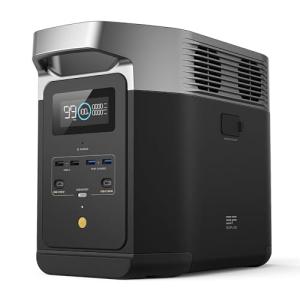
Delta 2 Portable Power Station
Ef Ecoflow
Product Review Score
4.09 out of 5 stars
151 reviews$699.00 $349.00
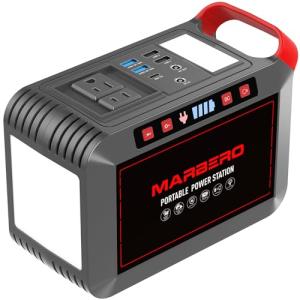
MARBERO 300W Camping Power Bank
Marbero
Product Review Score
4.92 out of 5 stars
11 reviews$123.24 $104.75
💡 Practical Usage Tips
- Storing the unit at roughly 50% to 80% charge rather than leaving it empty helps prolong the overall health of the internal battery cells over many years.
- Using DC-native ports like USB-C for laptops and phones is much more efficient than using the AC wall outlet because it avoids wasting energy during power conversion.
- When using solar panels, placing the station in the shade while the panels stay in the sun prevents the unit from overheating and slowing down its charging speed.
- Checking the total wattage of all plugged-in devices ensures the station doesn't shut down unexpectedly from an overload during a critical moment.
✅ What to Look For & ⚠️ What to Avoid
Must-Have Features:
- Units using LIFEPO4 chemistry, such as the Anker 521, offer a much longer lifespan of up to 3,000 cycles.
- A PURE SINE WAVE inverter is essential for safely running sensitive electronics like CPAP machines or high-end gaming laptops without interference.
- High-speed USB-C PD ports allow for fast charging of modern devices without the need for bulky external power bricks.
Red Flags to Avoid:
- Be cautious of MODIFIED SINE WAVE inverters, as they can cause strange buzzing noises or even damage motors and sensitive audio gear.
- Slow recharge times that take 8 hours or more can be a major drawback if the goal is to quickly top off the battery between outings.
- Avoid units that lack a clear BMS (Battery Management System), as this technology is vital for preventing the battery from overheating or short-circuiting.
🛡️ Build Quality & Performance
The physical construction of a power station determines how well it survives life on the road. Premium models often feature a unibody design with internal reinforcement to prevent internal damage if the unit is bumped during transport. High-quality brands prioritize effective ventilation and use variable-speed fans to keep components cool without creating excessive noise.
Performance isn't just about how much energy a unit holds, but how reliably it delivers that power. For example, the EcoFlow DELTA 3 Classic manages its energy output with advanced logic that allows it to handle heavy-duty appliances that would typically trip the safety breakers on smaller, budget-friendly units.
🏆 Top Recommendations
| Best For | Model Name | Key Feature | Why It Wins |
|---|---|---|---|
| Home Backup | Anker SOLIX C1000 | 2,000W Output | Ultra-fast 49-minute charging and high power capacity. |
| Everyday Travel | Bluetti Elite 30 V2 | Power Lifting Tech | Handles surprisingly heavy loads for its small size. |
| Compact Use | Jackery Explorer 300 | Proven Reliability | Clean power delivery in a very portable, lightweight frame. |
❓ Frequently Asked Questions
What is the difference between LiFePO4 and standard Lithium-ion?
LiFePO4 batteries are slightly heavier but offer a much longer lifespan, typically lasting up to 10 years with regular use, whereas standard lithium-ion batteries may start to lose capacity after 2 or 3 years.
Can these units power a hair dryer or a coffee maker?
Only high-capacity units with an output of 1,500W to 2,000W can handle heating appliances. Most smaller "entry-level" stations will safely shut down if you try to plug in a high-heat device.
How long will a 300Wh station run a laptop?
A typical laptop uses about 50W to 60W per hour, so a 300Wh station will generally provide about 4 to 5 hours of continuous work time, accounting for small energy losses during conversion.