Staying cool on the go has evolved far beyond simple paper fans. Modern portable cooling technology now offers everything from pocket-sized units to wearable hands-free devices that can run for an entire day. Whether preparing for a summer commute, a beach vacation, or a long flight, selecting the right airflow solution depends on balancing battery life, portability, and motor power.
Portable Fans
Stay cool anywhere with these sleek and powerful fans that fit right in your bag
Product List
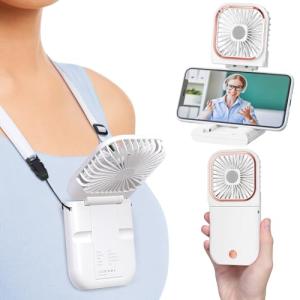
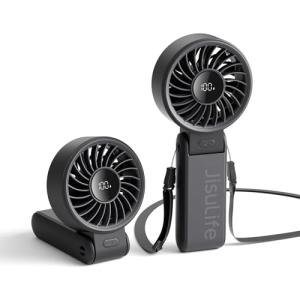
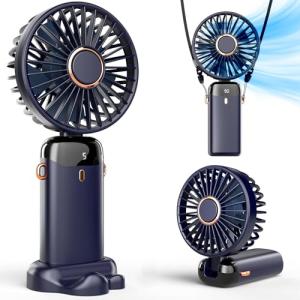
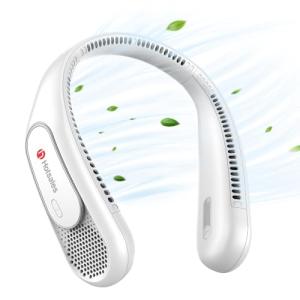
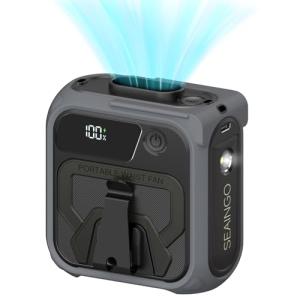
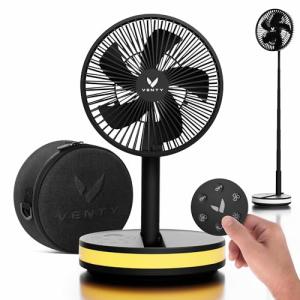
💡 Practical Usage Tips
- To extend the overall lifespan of the internal battery, it is best to avoid using the fan on its highest setting while it is actively plugged into a charger.
- For handheld fans used in stationary positions, placing the unit on a slightly textured surface like a mousepad can help dampen any vibration that might cause the device to slide.
- Periodic cleaning of the air intake vents with a can of compressed air will prevent dust buildup from slowing down the motor and reducing airflow efficiency.
- During long-term storage in winter months, keeping the battery charged to about halfway will help maintain the health of the lithium-ion cell.
✅ What to Look For & ⚠️ What to Avoid
Must-Have Features:
- Look for models with a brushless DC motor, as these provide a much quieter experience and tend to last significantly longer than cheaper alternatives.
- A digital status display, like the one found on the Jisulife Life7, is incredibly helpful for knowing exactly how much battery percentage remains before a recharge is needed.
- USB-C charging ports are the modern standard and ensure that the device can be charged with the same cables used for most smartphones.
Common Red Flags:
- Be cautious of fans that lack a protective cover over the charging port if they are intended for outdoor use, as moisture or sweat can damage the internal circuitry.
- Plastic hinges that feel flimsy or lack internal reinforcement are prone to cracking after repeated adjustments over several months.
- If a fan is advertised with a very high battery capacity but feels unusually light, the actual runtime may be much lower than the manufacturer suggests.
🛡️ Build Quality & Performance
The durability of a portable fan is often determined by its chassis construction and the quality of its moving parts. High-quality models generally use thick ABS plastic which can withstand minor drops without shattering. For those who need a heavy-duty solution, the VENTY Portable Fan features reinforced telescoping joints that prevent the common "drooping" issue seen in taller wireless fans.
Performance isn't just about how fast the blades spin; it's also about managing heat. Efficient fans utilize a Pulse-Width Modulation (PWM) system to control speeds, which prevents the motor from getting too hot during extended use. While smaller pocket fans are convenient for short bursts, larger units with dedicated air-flow geometries provide more consistent relief without the high-pitched whine often associated with tiny, high-RPM motors.
🏆 Top Recommendations
| Best For | Model Name | Key Feature | Why It Wins |
|---|---|---|---|
| Ultimate Battery | VENTY Wireless | 16,000mAh Battery | Runs for up to 48 hours and includes a remote control. |
| Commuting | Jisulife Life7 | 180° Foldable | Perfect balance of high power and a clear LED status display. |
| Workwear | Seaingo Waist Fan | Dual-Clip Design | Forces air under clothing, making it ideal for outdoor labor. |
❓ Frequently Asked Questions
How long do these fans typically take to charge?
Most fans with a standard 2000mAh to 5000mAh battery take between 3 and 4 hours to reach a full charge when using a 5V/2A power adapter. Larger units with massive batteries may require significantly longer.
Can I take these fans on an airplane or cruise ship?
Yes, most portable fans are considered essential travel items. However, because they contain lithium-ion batteries, they should generally be kept in carry-on luggage rather than checked bags to comply with safety regulations.
What is the difference between a bladeless neck fan and a handheld fan?
Bladeless neck fans use internal turbines to push air upward toward the face, keeping the hands free. Handheld fans typically use traditional blades and offer more direct, powerful airflow that can be aimed exactly where it is needed.