Finding the right kitchen companion involves more than just picking a brand name; it is about understanding how heat and pressure work together to simplify daily meals. This guide explores the latest in multi-cooker technology, focusing on build quality, safety mechanisms, and real-world performance to help identify the perfect fit for any countertop.
Multi-Cookers & Pressure Cookers
Experience hassle-free cooking with versatile appliances that save you time and effort in the kitchen
Product List
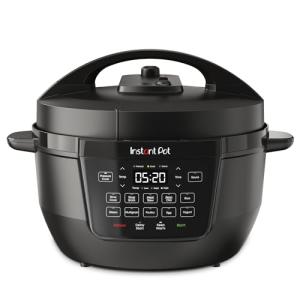
7.5QT 7-in-1 Instant Pot
Instant Pot
Product Review Score
4.13 out of 5 stars
226 reviews$139.99 $99.95
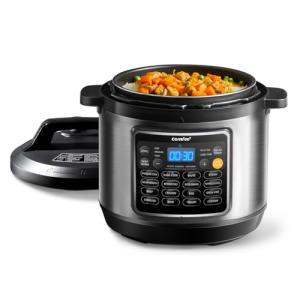
COMFEE' 8-Quart Pressure Cooker
Comfee'
Product Review Score
4.15 out of 5 stars
138 reviews$119.99 $95.99
💡 Practical Usage Tips
- Always ensure the silicone sealing ring is properly seated in the lid before starting a cycle, as a loose ring prevents the unit from reaching the necessary pressure.
- Keep the exterior base of the inner pot completely dry and free of food debris to maintain a solid connection with the resistive heating element.
- When cooking high-viscosity foods like thick stews or oatmeal, use plenty of liquid to avoid triggering the "burn notice" from the internal NTC thermistor.
- Place the appliance in an open area rather than under kitchen cabinets to prevent steam from damaging the wood finish or causing moisture buildup in the control board.
✅ What to Look For & ⚠️ What to Avoid
Must-Haves:
- Look for a 304 stainless steel inner pot, which is more durable and avoids the flaking issues common with non-stick coatings.
- Higher wattage, such as the 1200W element in the Instant Pot Pro 6-Quart, significantly reduces the time it takes for the vessel to reach cooking pressure.
- Safety features like a lid-locking pin and pressure-limit protection are essential for worry-free operation in a busy kitchen.
Red Flags:
- Avoid units with thin-gauge internal wiring or flimsy lid lugs, as these are often the first parts to fail under frequent heat stress.
- Be cautious of entry-level "white-label" models that lack a detachable power cord, which can make storage and potential repairs much more difficult.
- Low-pressure ceilings below 80kPa may result in longer cooking times and less consistent results for tough cuts of meat.
🛡️ Build Quality & Performance
The construction of modern multi-cookers varies significantly between entry-level budget models and professional-grade units. Premium models often feature a heavy-duty chassis designed to handle the high thermal density required for rapid cooking. For instance, the Instant Pot Duo Crisp utilizes a robust housing and specialized safety interlocks to manage both high-pressure steam and high-heat convection air frying.
Durability is largely determined by the quality of the microcontroller unit and the thermal fuses used to protect the electronics. While most units use a capacitive touch interface to prevent moisture from entering the internal circuitry, the tactile response of mechanical switches often provides a more reliable user experience over many years of service. Higher-end models prioritize thicker stainless steel for the cooking vessel, which helps distribute heat more evenly and prevents the localized hot spots that can lead to scorched food.
🏆 Top Recommendations
| Best For | Model Name | Key Feature | Why It Wins |
|---|---|---|---|
| Professional Use | Instant Pot Pro 6QT | 1200W Heating | Fastest pre-heating and superior searing power. |
| Versatility | Duo Crisp 11-in-1 | Air Fryer Lid | Combines pressure cooking with convection frying. |
| Small Households | Comfee 3-Quart | Compact 700W | Efficient footprint with high thermal stability. |
| Large Batches | Comfee 8-Quart | 8QT Volume | Maximum capacity for bulk meal preparation. |
❓ Frequently Asked Questions
What is the difference between a multi-cooker and a pressure cooker?
A standard pressure cooker focuses primarily on high-speed cooking using steam, while a multi-cooker includes additional settings for slow cooking, sautéing, rice making, and sometimes even yogurt fermentation.
Are these appliances safe to use?
Modern electric models include multiple redundant safety layers, such as locking pins that prevent the lid from opening under pressure and thermal fuses that cut power if the unit gets too hot.
How often should I replace the sealing ring?
The silicone ring typically lasts about a year with regular use, but it should be replaced sooner if it becomes stretched out, develops cracks, or retains strong food odors.