Transforming a living room into a cinematic oasis requires more than just a large screen; it demands an immersive audio experience. Finding the right balance between power, connectivity, and speaker placement can be daunting for beginners and enthusiasts alike. This guide explores the essential components of modern audio setups to help navigate the diverse options available for home entertainment.
Home Theater Speaker Kits
Elevate your movie nights with amazing sound and easy setup options
Product List

Rockville 800W 5.1 Speaker System
Rockville
Product Review Score
4.88 out of 5 stars
144 reviews$144.95 $130.46
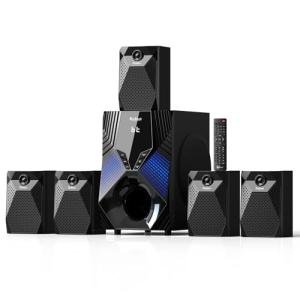
Bobtot 1000W Surround Sound System
Bobtot
Product Review Score
4.69 out of 5 stars
160 reviews$199.99
💡 Practical Usage Tips
- Running an automated calibration routine using an included microphone ensures that the speakers are perfectly timed to the listener's specific seating position.
- Maintaining at least four inches of open space above an AV Receiver prevents internal components from overheating during long movie marathons.
- Assigning a static IP address to network-enabled systems can prevent frustrating connection drops when using smartphone control apps.
- Placing the Subwoofer in a corner can naturally increase the bass impact, though moving it away from the wall often results in a cleaner, more accurate sound.
✅ What to Look For & ⚠️ What to Avoid
Must-Haves:
- Look for systems that support HDMI ARC or eARC, as these allow a single cable to handle all audio communication between the TV and the speakers.
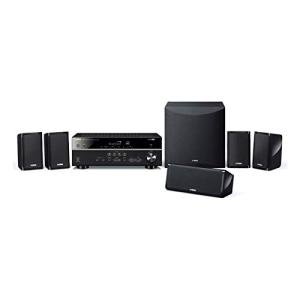
- A system with Discrete Amplification, like the Yamaha YHT-4950U, offers much better sound clarity and longevity than "all-in-one" hub designs.
- High-resolution video support for 4K or 8K ensures the audio system won't become a bottleneck for modern gaming consoles or streaming devices.
Red Flags:
- Be wary of "Peak Power" ratings in the thousands of watts, as these are often marketing numbers that do not reflect actual daily performance levels.
- Avoid units with proprietary speaker connectors that prevent the use of standard Speaker Wire, as this makes it nearly impossible to upgrade individual parts later.
- Systems that lack any form of ventilation or heat sinking are prone to "thermal fatigue," which can lead to hardware failure over time.
🛡️ Build Quality & Performance
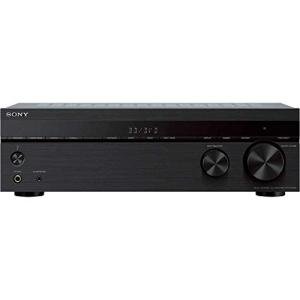
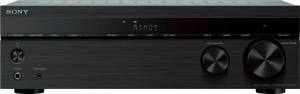
The construction of a home theater system significantly impacts both its lifespan and the quality of the audio it produces. Premium kits often utilize a Discrete Amp Configuration, which means each speaker has its own dedicated power path. This design reduces interference and ensures that a heavy explosion in a movie doesn't cause the dialogue in the center channel to distort. Units like the Sony STRDH590 use reinforced chassis designs to minimize vibrations that can muddy the sound.
On the other hand, entry-level kits may use lighter materials like pressed paper or polycarbonate for their Driver Diaphragms. While these are cost-effective, they are more sensitive to humidity and can lose their "snap" over several years of use. Higher-end models prioritize thermal management, using internal heat sinks to keep the delicate electronics cool. This attention to detail ensures that the system maintains a low noise floor—the "hiss" you sometimes hear during quiet scenes—providing a much more professional listening experience.
🏆 Top Recommendations
| Best For | Model Name | Key Feature | Why It Wins |
|---|---|---|---|
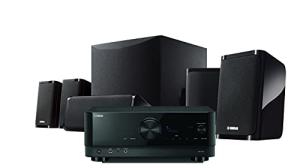
| Next-Gen Gaming | Yamaha YHT-5960U | 8K/HDMI 2.1 | Future-proofed for 120Hz gaming and VRR. |
| No-Wire Setup | Sony HT-A9 | 360 Spatial Mapping | Creates amazing surround sound without running cables. |
| Pure Performance | Sony STR-DH790 | Dolby Atmos | Offers 7.2 channels for true overhead audio effects. |
❓ Frequently Asked Questions
What is the difference between 5.1 and 7.2 systems?
A 5.1 system uses five speakers and one subwoofer, providing a standard surround experience. A 7.2 system adds two more speakers (usually for height or rear depth) and supports a second subwoofer for more even bass throughout the room.
Do I really need HDMI 2.1 for a home theater?
If you are a gamer using a PS5 or Xbox Series X, HDMI 2.1 is vital for features like 4K at 120Hz. For movie watching, older HDMI versions are usually sufficient for 4K resolution.
Why do some speakers sound "hissy" when nothing is playing?
This is known as the noise floor. It typically happens in budget systems where the internal electronics aren't shielded well, or in "all-in-one" kits where the power supply is located too close to the audio processors.