Filament bulbs combine the nostalgic charm of antique lighting with modern electrical efficiency. Whether choosing a classic amber glow for a cozy living room or a high-clarity white for a workspace, selecting the right hardware ensures both aesthetic beauty and long-term reliability. This guide explores the essential technical differences between LED and incandescent options to help find the perfect fit for any fixture.
Filament Bulbs
Brighten up your home with stylish filament bulbs that blend vintage charm and modern efficiency
Product List
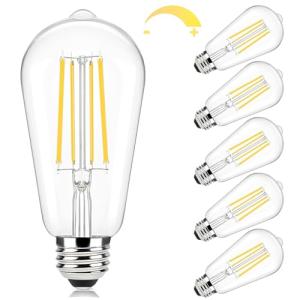
Brightever Dimmable LED Bulbs
Brightever
Product Review Score
4.24 out of 5 stars
202 reviews$19.49
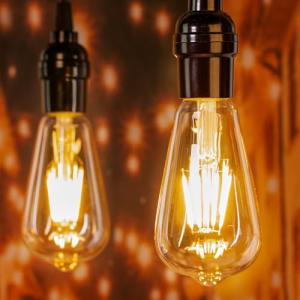
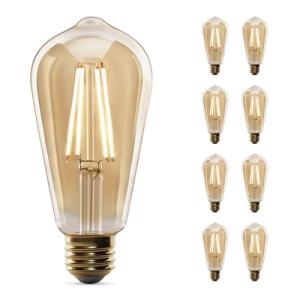
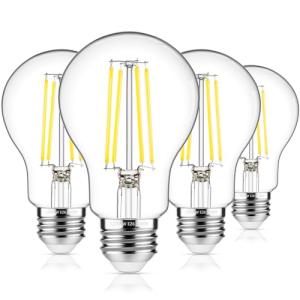
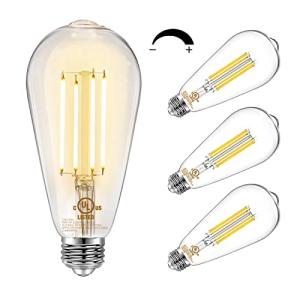
Dimmable Vintage LED Bulbs
Daybetter
Product Review Score
4.78 out of 5 stars
166 reviews$11.99 $9.99
💡 Practical Usage Tips
- Checking the compatibility of existing dimmer switches is vital because older models designed for incandescent bulbs may cause modern LED filaments to flicker or buzz.
- To achieve a truly vintage look in dining areas, selecting a bulb with an AMBER COATING will soften the light and create a warmer, more inviting atmosphere.
- When installing bulbs in enclosed lanterns or tight glass shades, choosing LED versions over traditional tungsten is safer as they produce significantly less heat and won't damage the fixture.
- Using a microfiber cloth during installation prevents skin oils from leaving marks on the clear glass, which can otherwise become visible once the bulb is illuminated.
✅ What to Look For & ⚠️ What to Avoid
Must-Haves:
- High color accuracy is essential for making indoor spaces look natural, so aiming for a 90+ CRI rating ensures that colors appear vibrant and true to life.
- Look for a HELIUM-FILLED glass envelope which helps dissipate heat efficiently and extends the life of the internal filaments.
- Options like the Sylvania TruWave A19 are excellent for reducing eye strain and providing a balanced light spectrum.
Red Flags:
- Avoid using non-dimmable bulbs on a dimmer circuit, as this often leads to immediate hardware failure or annoying strobe-like flashing.
- Be cautious with high-wattage incandescent options in small rooms, as they can significantly raise the THERMAL LOAD and increase energy costs.
- Steer clear of budget bulbs that lack FLICKER-FREE technology if the light will be used in areas where digital screens or cameras are frequently operated.
🛡️ Build Quality & Performance
Modern filament bulbs are engineered to bridge the gap between historic aesthetics and high-tech durability. The most reliable units utilize a CHIP-ON-GLASS (COB) architecture, where the LED strips are mounted directly onto glass or ceramic substrates. This design allows for a full 360-degree beam angle, eliminating the ugly plastic bases found on standard LED bulbs. While the exterior remains traditional glass, the internal gas mixtures work silently to keep the components cool, preventing the dimming or yellowing that can occur over years of use.
Performance varies significantly between straight and spiral designs. While straight filaments often provide higher brightness levels for task lighting, spiral variants like the Philips ST19 Spiral offer a softer, more decorative glow that mimics the look of early 20th-century lighting. Regardless of the shape, a high-quality driver in the base is the unsung hero, managing the VOLTAGE REGULATION to ensure the light remains steady even when other appliances on the circuit draw power.
🏆 Top Recommendations
| Best For | Model Name | Key Feature | Why It Wins |
|---|---|---|---|
| Color Accuracy | Gozelux ST58 | 90+ CRI Rating | Superior spectral accuracy for home decor. |
| Eye Comfort | Philips A19 Spiral | Flicker-Free Driver | Reduced eye strain and smooth dimming. |
| Max Efficiency | Sylvania A19 Clear | 123 lm/W Efficacy | Highest light output per watt consumed. |
❓ Frequently Asked Questions
What is the difference between 2000K and 2700K?
The Kelvin (K) rating measures color temperature. A 2000K bulb provides a very warm, candle-like amber glow, while 2700K is a standard soft white that is better for reading and general tasks.
Why do some LED bulbs buzz when dimmed?
Buzzing usually happens when there is a mismatch between the bulb's internal driver and the wall switch. Using an ELV DIMMER instead of a standard one often solves this problem.
Can these bulbs be used outdoors?
They are typically safe for outdoor use as long as they are placed inside a WEATHER-RATED fixture that protects the base and glass from direct rain and moisture.