💡 Practical Usage Tips
- Mounting wireless transmitters directly onto metal doorframes or aluminum siding can create a Faraday effect, which significantly reduces the signal range and causes missed alerts.
- For homes in colder climates, lithium-based batteries like the CR2032 cell are preferable to alkaline options because they maintain voltage stability better in freezing temperatures.
- Users should periodically check the silicone gasket on the transmitter button, as a compromised seal can allow moisture ingress that leads to circuit corrosion or annoying phantom ringing.
- When installing a unit with a 16V transformer, it is vital to ensure the total power draw of the chime and any attached video doorbell does not exceed the transformer's VA rating.
✅ What to Look For & ⚠️ What to Avoid
Must-Haves
- Look for a system that utilizes the 433.92 MHz frequency because it offers superior penetration through thick walls compared to higher frequency Wi-Fi signals.
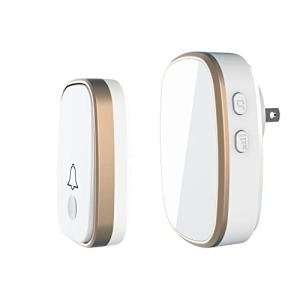
- A verifiable IP55 ingress protection rating is essential for any transmitter exposed to rain, as seen in the AVANTEK Wireless Doorbell Kit.
- Devices that retain their settings via internal memory are crucial so that users do not have to reprogram the chime melody every time the power flickers.
Red Flags
- Avoid transmitters that rely on 12V 23A alkaline batteries if you live in an area with harsh winters, as these cells lose capacity rapidly in the cold.
- Be wary of "smart" doorbells that lack local processing, as high cloud server latency can result in a notification arriving 10 seconds after the visitor has already left.
- Systems without digital privacy codes or encryption are susceptible to interference, meaning a neighbor's garage door opener could accidentally trigger your doorbell.
🛡️ Build Quality & Performance
The durability of a doorbell system largely depends on the materials used in the transmitter housing and the type of sound generation employed. Basic wireless units often use thermoplastic shells which can become brittle in freezing temperatures, leading to cracks that compromise water resistance. Higher-end models incorporate silicone gaskets to protect the PCB from moisture and dust, ensuring longevity even in exposed environments.
Performance varies significantly between analog mechanical chimes and digital sound chips. Mechanical units, such as the White 2-Note Wired Mechanical Doorbell Chime, utilize a physical electromagnetic solenoid to strike metal bars, offering instant feedback with zero latency. In contrast, digital wireless systems introduce a minor processing delay but offer significantly higher volume potential, with some piezo-electric drivers reaching up to 115dB, which is necessary for large homes or users with hearing impairments.
🏆 Top Recommendations
| Best For |
Model Name |
Key Feature |
Why It Wins |
| Smart Security |
Arlo 2K Video Bundle |
2K Resolution Video |
Combines high-definition visual logging with a dedicated indoor chime. |
| Maximum Volume |
Waterproof 115dB Unit |
115dB Peak Output |
Ideal for the hearing impaired or large multi-story homes. |
| Reliability |
Hardwired Chime Kit |
Mechanical Strike |
Zero latency, no batteries to change, and extremely durable. |
| Visual Alerts |
AVANTEK LED Flash |
LED Strobe Light |
Provides a clear visual cue alongside the audio alert. |
❓ Frequently Asked Questions
What is the difference between 433MHz and Wi-Fi doorbells?
A 433MHz system creates a direct link between the button and the chime, offering better range through walls and instant ringing without needing the internet. A Wi-Fi doorbell connects to your router, allowing for video streaming and phone alerts, but it relies on your internet connection speed and often has a slight delay.
Can I use a wireless doorbell in freezing weather?
Yes, but battery choice is critical. Standard alkaline batteries can fail or drop voltage significantly in freezing temperatures. For cold climates, it is recommended to choose a model that uses lithium batteries (like CR2032), as the lithium chemistry is far more resistant to cold weather performance degradation.
Do I need a professional to install a hardwired chime?
Installing a hardwired system involves working with a transformer connected to your home's electrical mains. While replacing an existing chime is often a simple DIY task involving two low-voltage wires, installing a brand new system with a transformer usually requires basic electrical knowledge or professional assistance to ensure safety.