Securing the perimeter of a home often begins with the humble contact sensor. These compact devices act as the digital nervous system for a property, instantly detecting when a door, window, or cabinet is opened. While they serve as the primary trigger for intrusion alarms, their utility extends far beyond security, enabling convenient automation like turning on lights when a pantry door opens or shutting off the AC when a window is left ajar. Choosing the right sensor involves balancing battery life, communication protocols, and physical size to ensure seamless integration.
Contact Sensors
Keep your home secure and know when doors and windows open with smart contact sensors
Product List
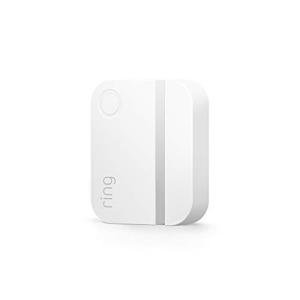
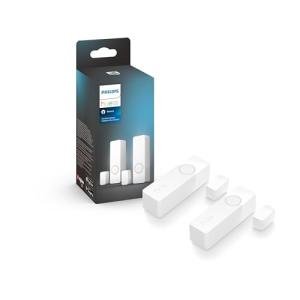
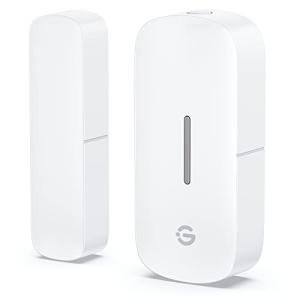
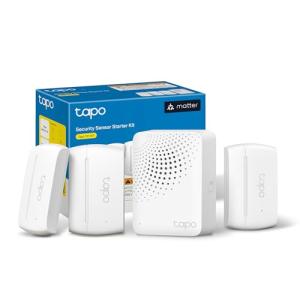
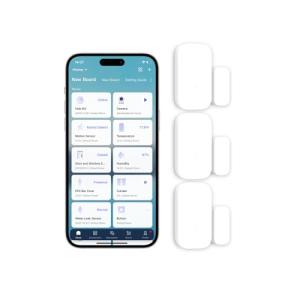
Aqara Zigbee Sensors - 3 Pack
Aqara
Product Review Score
4.69 out of 5 stars
201 reviews$56.99 $33.99
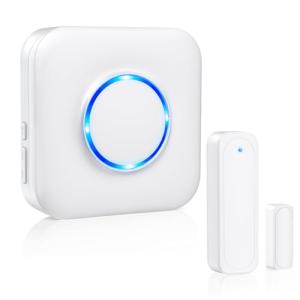
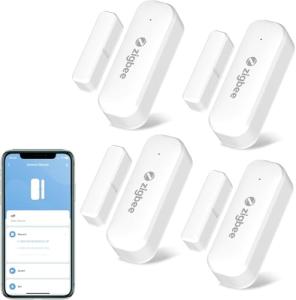
Zigbee Smart Door Sensors 4-Pack
Xfox
Product Review Score
4.57 out of 5 stars
158 reviews$40.99 $33.69
💡 Practical Usage Tips
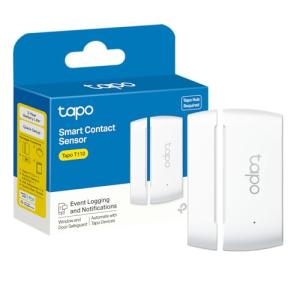
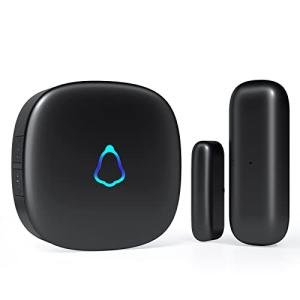
- Mind the gap on metal surfaces. Installing sensors on iron or steel doors can cause magnetic interference and signal blocking, so using plastic spacers or choosing a Sub-1GHz frequency device like the Tapo kit often solves range issues.
- Align the magnets precisely. Most sensors rely on a specific magnetic induction threshold, usually around 15mm, meaning careful alignment of the magnet and the sensor body is required to prevent false "open" alerts.
- Consider battery accessibility. High-traffic doors will drain power faster, so opting for models that use larger AAA or CR2 batteries can significantly reduce maintenance compared to standard coin cells.
- Utilize secondary sensors. Many modern units include built-in temperature or light sensors, allowing a single device to manage climate control logic alongside security monitoring.
✅ What to Look For & ⚠️ What to Avoid
MUST-HAVES
- Fast Response Time: Look for devices with low latency reporting, such as the Aqara Zigbee Wireless Door and Window Sensors, which can trigger automations in milliseconds.
- Standard Protocols: Devices supporting universal standards like Zigbee 3.0 or Matter-over-Thread ensure long-term compatibility and prevent lock-in to a single brand's ecosystem.
- Weatherproofing for Outdoors: If monitoring gates or sheds, an IP67 rating and a LoRa radio are essential for penetrating exterior walls and surviving the elements.
RED FLAGS
- Bluetooth-Only Connectivity: Sensors relying solely on Bluetooth often suffer from slow connection times and limited range unless they are very close to a hub or phone.
- Proprietary Hub Requirements: Be cautious of systems that force the use of a unique bridge for basic functionality, as this adds cost and clutter unless you are already invested in that specific ecosystem.
- Weak Adhesive Backing: Budget sensors often come with low-quality tape that fails in humid conditions, potentially causing the sensor to fall and trigger a false alarm.
🛡️ Build Quality & Performance
The physical construction of a contact sensor is directly dictated by its power source and intended environment. The most common designs utilize a CR2032 coin cell to achieve an ultra-slim profile, allowing them to disappear into window frames. While aesthetically pleasing, these smaller units often struggle in cold temperatures where lithium chemistry becomes less efficient. For users prioritizing longevity over invisibility, models housing AAA or CR2 batteries, like the Philips Hue Smart Contact Sensor, offer a robust alternative with stable voltage delivery even in fluctuating thermal conditions.
For industrial or garage applications, plastic housings are often insufficient. The vibration of an overhead door can shatter standard casings or displace batteries. In these scenarios, sensors built with armored aluminum and armored cabling provide necessary durability. These hardwired solutions eliminate battery maintenance entirely but require a physical connection to a security panel. Furthermore, advanced outdoor sensors now leverage Chirp Spread Spectrum technology to punch through concrete and metal obstructions that would block standard Wi-Fi signals, ensuring reliable perimeter monitoring for large properties.
🏆 Top Recommendations
| Best For | Model Name | Key Feature | Why It Wins |
|---|---|---|---|
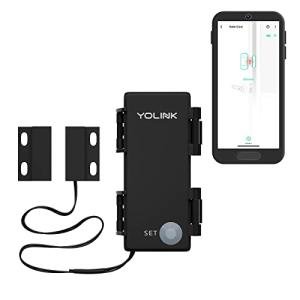
| Long Range / Gate | YoLink Outdoor Sensor | 0.25 Mile Range (LoRa) | It penetrates concrete and metal where Wi-Fi fails completely. |
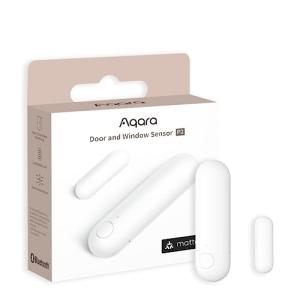
| Future Proofing | Aqara P2 (Matter) | Matter-over-Thread | It works natively with Apple, Google, and Alexa without proprietary bridges. |
| Battery Life | THIRDREALITY Zigbee | AAA Batteries | It uses cheap, standard batteries that last years and are easy to replace. |
| Budget Bulk | Tuya Zigbee 4-Pack | Cost-Effective | It offers the most affordable way to cover every window in a home. |
❓ Frequently Asked Questions
Do I really need a hub for these sensors?
For most reliable sensors, yes. Protocols like Zigbee and Z-Wave require a central coordinator to translate their signals into something your phone or Wi-Fi router can understand. While some Wi-Fi or Bluetooth sensors exist, they often suffer from shorter battery life or slower response times compared to hub-based systems.
Can I install these on metal doors?
Yes, but with caveats. Metal interferes with the radio signal and the magnetic field needed for the sensor to trigger. To fix this, you should use a plastic spacer to separate the sensor from the metal surface, or choose a sensor that operates on a lower frequency, like Sub-1GHz or LoRa, which penetrates metal better than standard 2.4GHz devices.
What is the difference between "Normally Closed" and "Normally Open"?
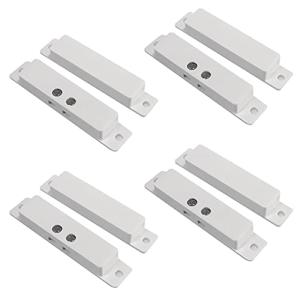
This terminology refers to wired sensors. A Normally Closed (NC) loop means the electrical circuit is complete (closed) when the door is shut (magnet is near). If the door opens, the circuit breaks, triggering the alarm. This is the standard for security because cutting the wire also triggers the alarm.