An AV receiver serves as the brain of a home theater, managing everything from high-definition video signals to immersive surround sound. Selecting the right unit ensures that speakers receive clean power while gaming consoles and streaming devices communicate perfectly with the television. This guide explores modern options to help find the ideal hub for any entertainment space.
AV Receivers
Find the perfect audio solution to elevate your home entertainment experience
Product List
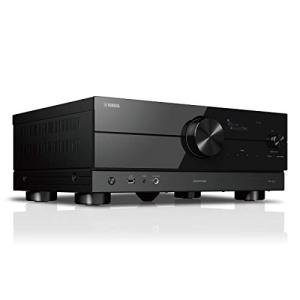
Yamaha 7.2 Channel 8K Receiver
Yamaha
Product Review Score
4.56 out of 5 stars
110 reviews$999.95 $783.75
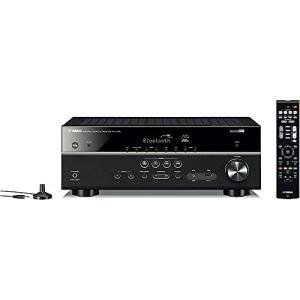
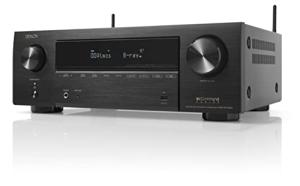
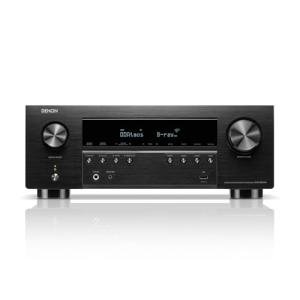
Denon 7.2 Channel Receiver
Denon
Product Review Score
4.77 out of 5 stars
202 reviews$699.00 $479.99
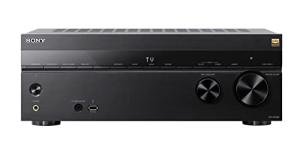
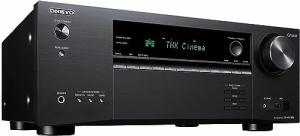
Onkyo 8K Smart AV Receiver
Onkyo
Product Review Score
4.83 out of 5 stars
167 reviews$799.00 $599.00
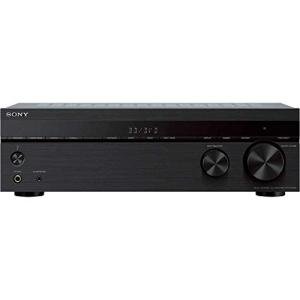
Sony STRDH590 Bluetooth Receiver
Sony
Product Review Score
4.44 out of 5 stars
23 reviews$449.99 $348.00
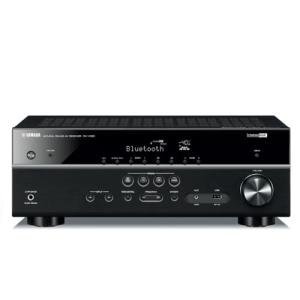
YAMAHA 5.1 Channel AV Receiver
Yamaha
Product Review Score
4.24 out of 5 stars
132 reviews$399.95 $339.95
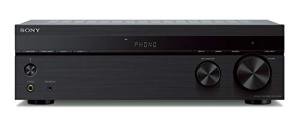
Sony Bluetooth Stereo Receiver
Sony
Product Review Score
4.47 out of 5 stars
114 reviews$249.99 $198.00
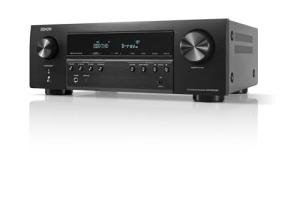
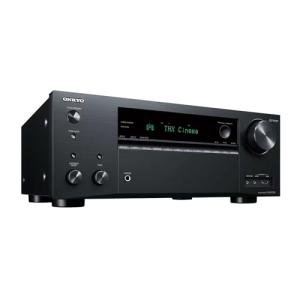
Onkyo TX-NR7100 AV Receiver
Onkyo
Product Review Score
4.24 out of 5 stars
51 reviews$799.00 $699.00
💡 Practical Usage Tips
- Providing at least four to five inches of vertical clearance above the unit is essential to prevent the internal components from overheating and slowing down.
- Using the included calibration microphone allows the receiver to automatically adjust the sound levels based on the specific shape and furniture layout of the room.
- Running a physical Ethernet cable to the receiver instead of using Wi-Fi ensures a much more stable connection for high-resolution music streaming and firmware updates.
- Connecting modern gaming consoles to the specific HDMI ports labeled for 8K or 4K/120Hz is necessary to unlock the fastest response times and smoothest visuals.
✅ What to Look For & ⚠️ What to Avoid
Must-Haves:
- Modern systems should support HDMI 2.1 with at least 40Gbps bandwidth to stay compatible with the latest displays and consoles.
- Look for models like the Onkyo TX-NR7100 that include advanced room correction software to fix acoustic issues automatically.
- Discrete power amplifiers are preferred because they provide better heat management and clearer sound than cheaper integrated circuits.
Red Flags:
- Avoid receivers that only offer spring-clip terminals for all channels, as these are often less durable and provide a weaker connection than binding posts.
- Be cautious of units that lack network connectivity if the plan is to stream music directly from the internet or use smartphone apps for control.
- Watch out for "slim" models in tight cabinets, as they often have smaller power transformers and may struggle to drive large, demanding speakers.
🛡️ Build Quality & Performance
The physical construction of a receiver directly impacts its longevity and audio fidelity. High-quality units often feature a reinforced chassis designed to reduce mechanical vibrations that can interfere with sensitive electronic signals. For instance, the Yamaha RX-A2A utilizes a specialized fifth foot centered on the base to dampen these vibrations, ensuring a more stable performance over years of use.
Inside the machine, the quality of the power transformer and capacitors determines how well the unit handles sudden, loud sounds in movies—like explosions or orchestral swells. While entry-level models use lighter materials, premium receivers move toward heavy-duty copper components and rigid internal frames. This robust engineering prevents the device from "throttling" its power output when the action on screen gets intense.
🏆 Top Recommendations
| Best For | Model Name | Key Feature | Why It Wins |
|---|---|---|---|
| Premium Home Cinema | Onkyo TX-RZ50 | Dirac Live | Professional-grade room correction. |
| Modern Gaming | Sony STR-AN1000 | 360 Spatial Mapping | Excellent virtual channel creation. |
| Pure Stereo Vinyl | Sony STR-DH190 | Phono Input | Simple, effective analog path. |
| Small Rooms | Denon AVR-S570BT | 8K Gateway | Affordable entry into 8K video. |
❓ Frequently Asked Questions
What is the difference between 5.1 and 7.2 channels?
A 5.1 system uses five speakers and one subwoofer, while a 7.2 system adds two extra surround speakers and supports a second subwoofer for more even bass distribution across the room.
Does a receiver need Wi-Fi to work?
No, a receiver will play sound from connected devices like Blu-ray players or cable boxes without internet, but Wi-Fi is required for phone app control and wireless music streaming.
What does "8K Pass-through" actually mean?
This means the receiver can take an 8K video signal from a device and send it to your TV without losing any detail or lowering the resolution.