Maintaining a comfortable home environment often requires more than just cooling the air; it requires moving it effectively. Unlike standard fans that simply blow air in one direction, air circulators are designed to create a continuous aerodynamic loop that balances the temperature of an entire room. This guide explores the best options for achieving consistent airflow and thermal comfort.
Air Circulators
Stay comfortable all year with efficient air circulation solutions for your home
Product List
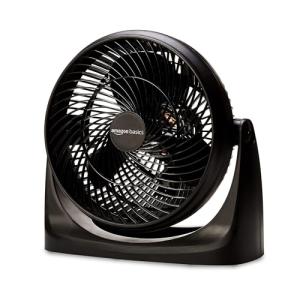
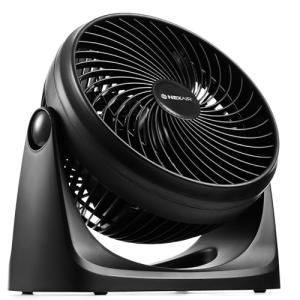
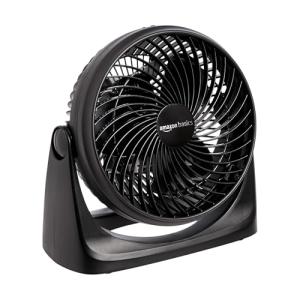
Tilt Adjustable Desk Fan
Amazon Basics
Product Review Score
4.48 out of 5 stars
56 reviews$31.98 $23.67
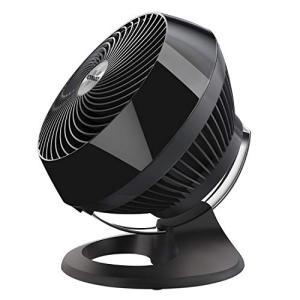
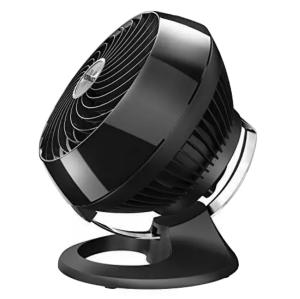
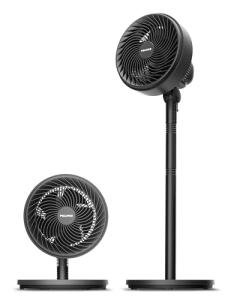
Adjustable Oscillating Desk Fan
Pelonis
Product Review Score
4.41 out of 5 stars
97 reviews$49.99 $40.42
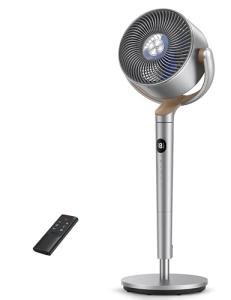
Dreo Remote-Control Standing Fan
Dreo
Product Review Score
4.6 out of 5 stars
101 reviews$109.99 $93.06
💡 Practical Usage Tips
- For the most efficient cooling in the summer, point the device toward a wall or ceiling to create a vortex effect that moves air throughout the whole room.
- Place the unit near a heating or cooling vent to help distribute conditioned air more quickly to the far corners of the space.
- Utilizing a mechanical dial fan with a smart plug allows for easy scheduling, as these units will automatically resume their previous speed setting when power is restored.
- Regularly cleaning the impeller blades by removing the front grill ensures the motor remains balanced and prevents unnecessary noise or vibration.
✅ What to Look For & ⚠️ What to Avoid
Must-Have Features:
- Look for a DC motor if energy efficiency and ultra-quiet operation are the top priorities for a bedroom.
- A high CFM rating, such as the 584 cubic feet per minute found on the Vornado 660, is essential for clearing air in larger living areas.
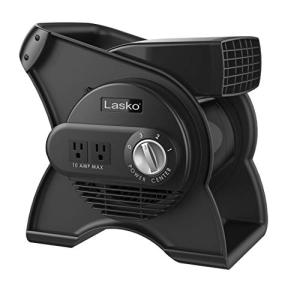
- Models with integrated accessory outlets are incredibly helpful for workshop tasks where daisy-chaining multiple tools or fans is necessary.
Red Flags to Watch For:
- Avoid lightweight plastic units that lack a friction-fit hinge, as they may struggle to stay in a tilted position over time.
- Be cautious of industrial-style blowers if quietness is a requirement, as these are often optimized for power rather than acoustic comfort.
- Watch out for fans with non-removable grills, which make it almost impossible to perform the necessary maintenance to keep the motor running smoothly.
🛡️ Build Quality & Performance
High-quality circulators are distinguished by their motor housing and blade geometry. Many top-tier models utilize a deep-pitch blade design, which allows the device to grab and move a larger volume of air without increasing the motor's speed to noisy levels. Units constructed from high-impact polymer or ABS resin tend to handle the vibrations of high-velocity movement much better than thinner plastics, reducing the "rattle" often heard in cheaper desk fans.
The durability of the tilt mechanism is also a major factor in long-term satisfaction. While some budget options use plastic ratchets that can wear down, premium models like the Vornado 460 use smooth friction glides or chrome bars that provide a more stable and adjustable experience. For heavy-duty needs, choosing a unit with sealed bearings can significantly extend the life of the motor by preventing dust from gumming up the internal workings.
🏆 Top Recommendations
| Best For | Model Name | Key Feature | Why It Wins |
|---|---|---|---|
| Premium Performance | Vornado 660 | 584 CFM Output | Unmatched air throw distance and build quality. |
| Ultra-Quiet Bedroom | Dreo PolyFan 513S | DC Inverter Motor | Extremely quiet 20dB operation and 8 speed settings. |
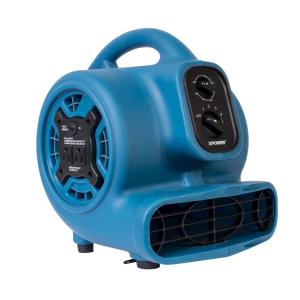
| Workshops & Drying | XPOWER P-230AT | 925 CFM Blower | Massive static pressure for fast surface drying. |
| Compact Value | Amazon Basics (35W) | 90-Degree Tilt | Effective personal cooling in a lightweight frame. |
❓ Frequently Asked Questions
What is the difference between a fan and an air circulator?
A standard fan is designed for direct cooling by blowing air at a person, whereas an air circulator focuses on moving all the air in a room to eliminate hot and cold spots.
Can I leave these fans running 24/7?
Most high-quality air movers with induction motors are designed for continuous use, but it is important to check the manufacturer's guidelines for maintenance schedules.
Do air circulators help with heating in the winter?
Yes, by pointing the circulator toward the ceiling, it can push trapped warm air back down into the living space, which can help lower heating costs.